


close
Choose Your Site
Global
Social Media


| Quantity: | |
|---|---|


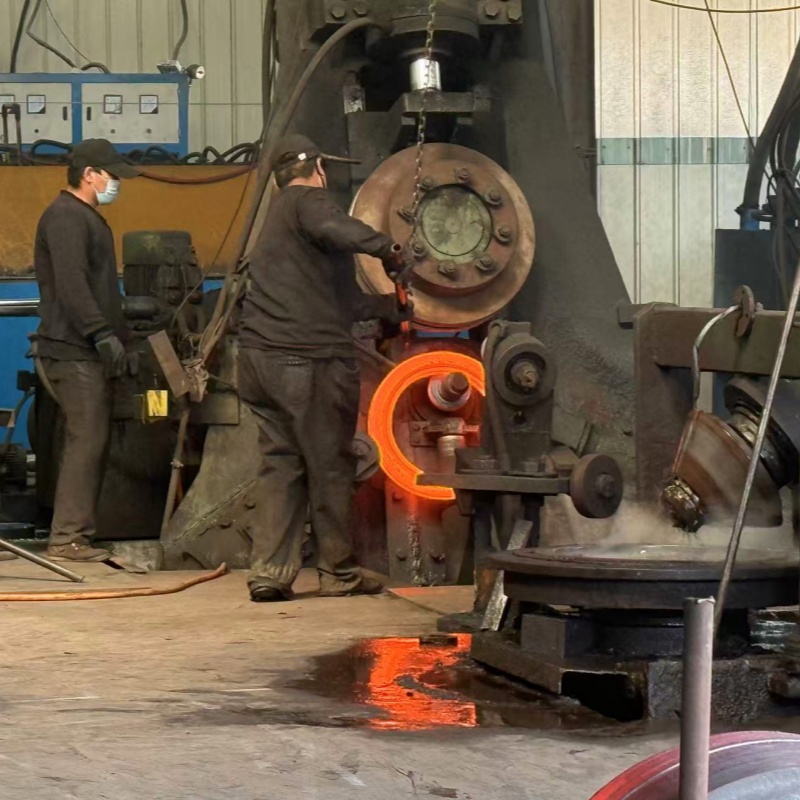
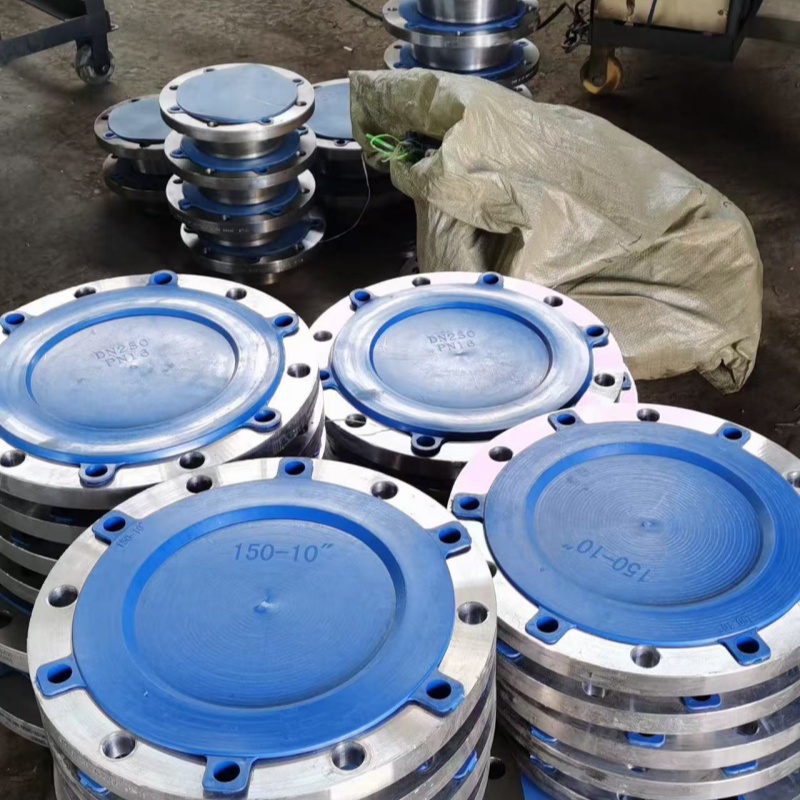
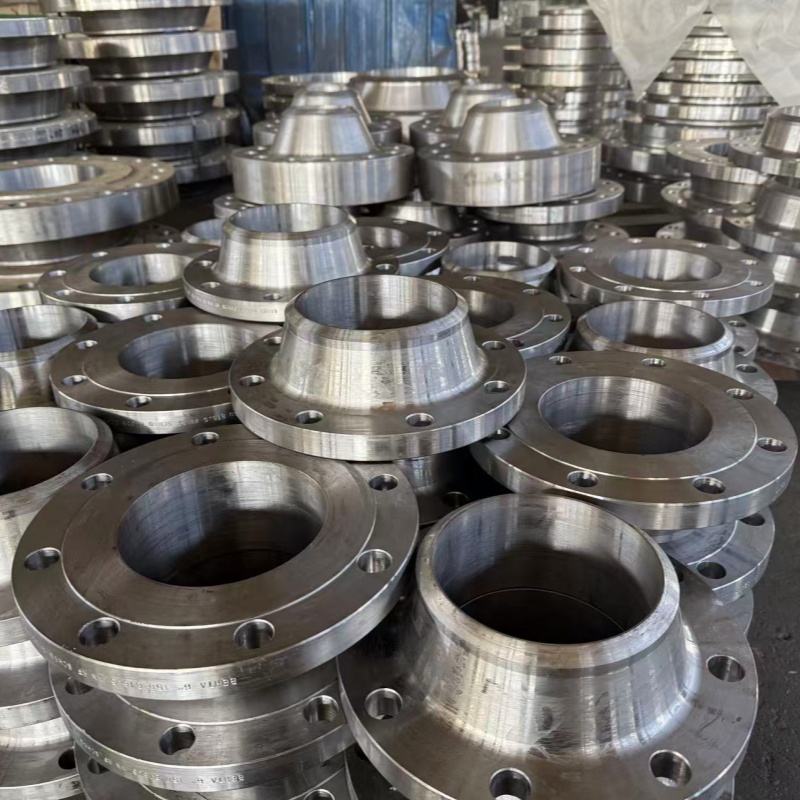
Loose Flange (Lap Joint Flange) is a combined flange set including flange ring and stub end, manufactured in accordance with global flange standards. It is produced by forging and precision CNC machining, with freely rotatable flange ring and accurately machined sealing surface. This flange type is widely used in corrosive medium pipelines, marine, chemical and water supply piping systems, covering pressure ratings from Class150LB to 2500LB, PN6-PN100, making it suitable for a wide range of anti-corrosion operating conditions.
Loose Flanges consist of loose flange ring and stub end, designed for free rotation of flange ring to simplify bolt hole alignment. This flange helps save expensive alloy and titanium raw materials, supports RF, FF sealing faces, with reliable durability for heavy-duty corrosive service. Although the flange ring can rotate independently from the stub end, it is still commonly specified in stainless steel and titanium piping systems for chemical and marine projects.
Standard: ANSI B16.5, EN1092, DIN, GOST, UNI
Type: Loose Flange (Lap Joint Flange)
Pressure ratings: Class150~2500LB; PN6, PN10, PN16, PN25, PN40, PN64, PN100
Size range: NPS1/2"~24", DN10~DN2000
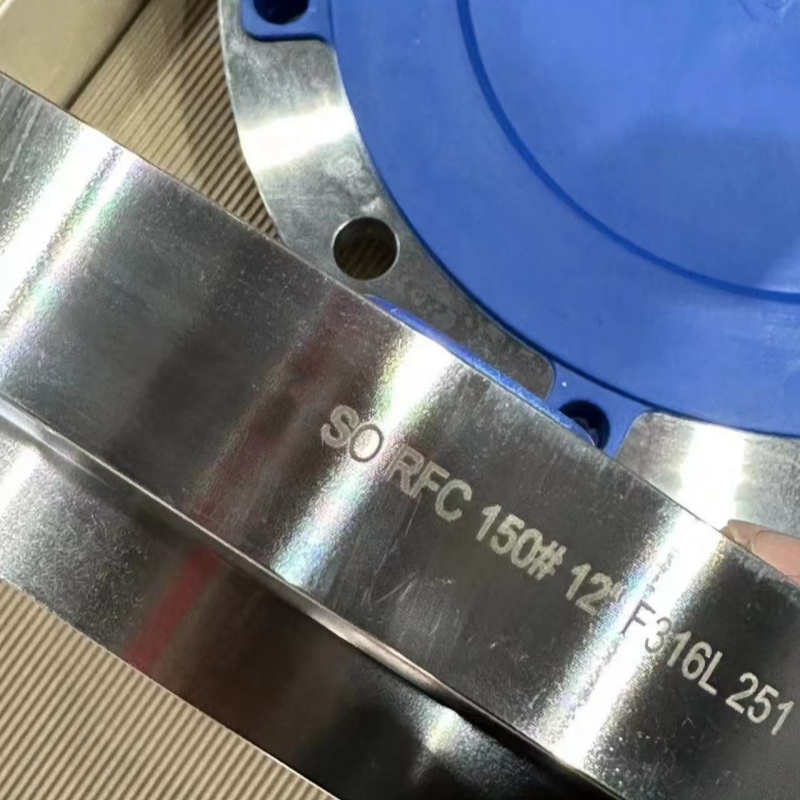
Facing types: FF (Flat Face), RF (Raised Face)
Materials: Flange Ring: Carbon Steel; Stub End: 304, 316L, Duplex Steel, Titanium
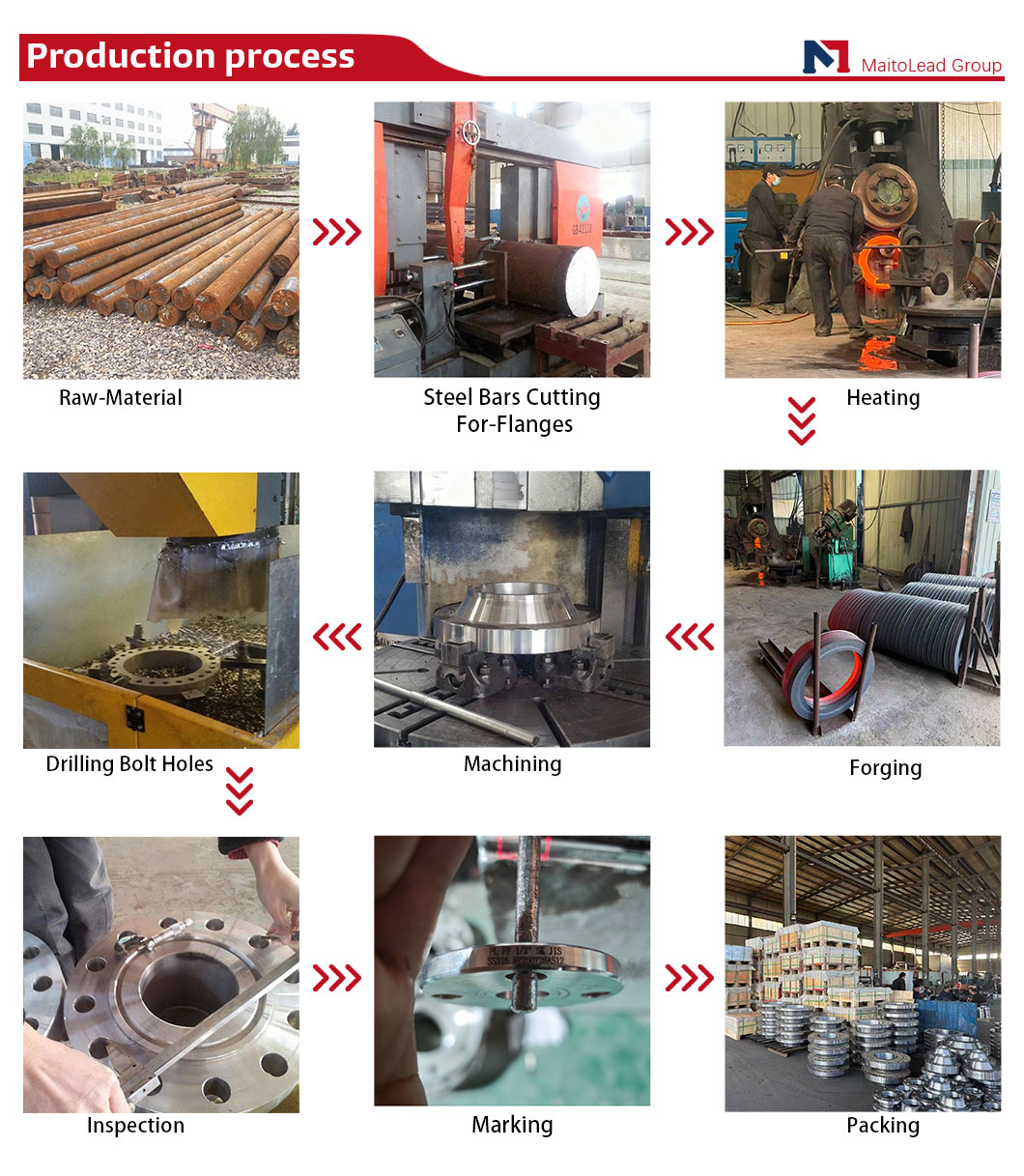
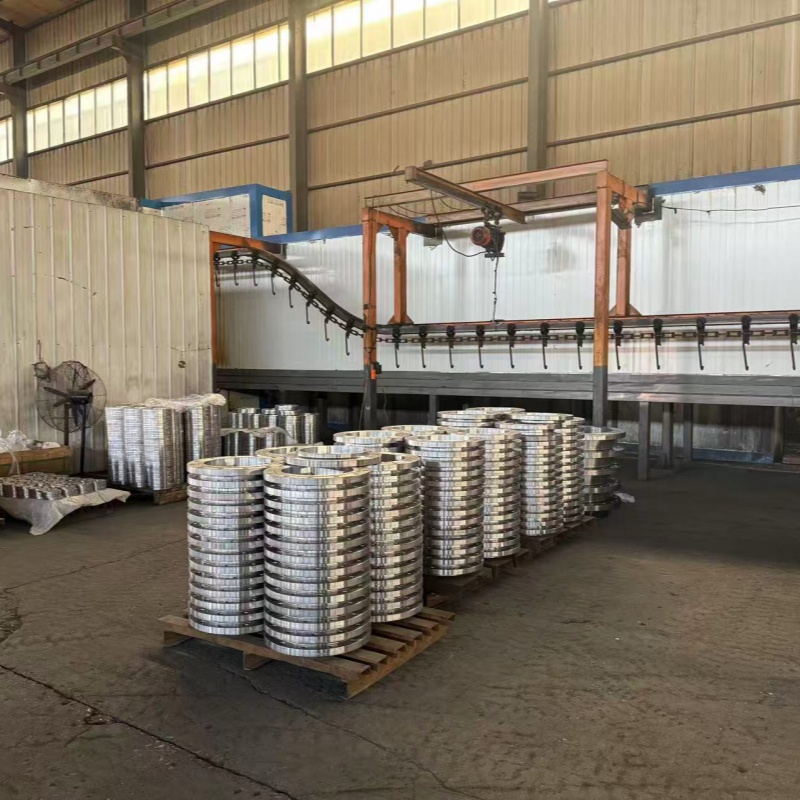
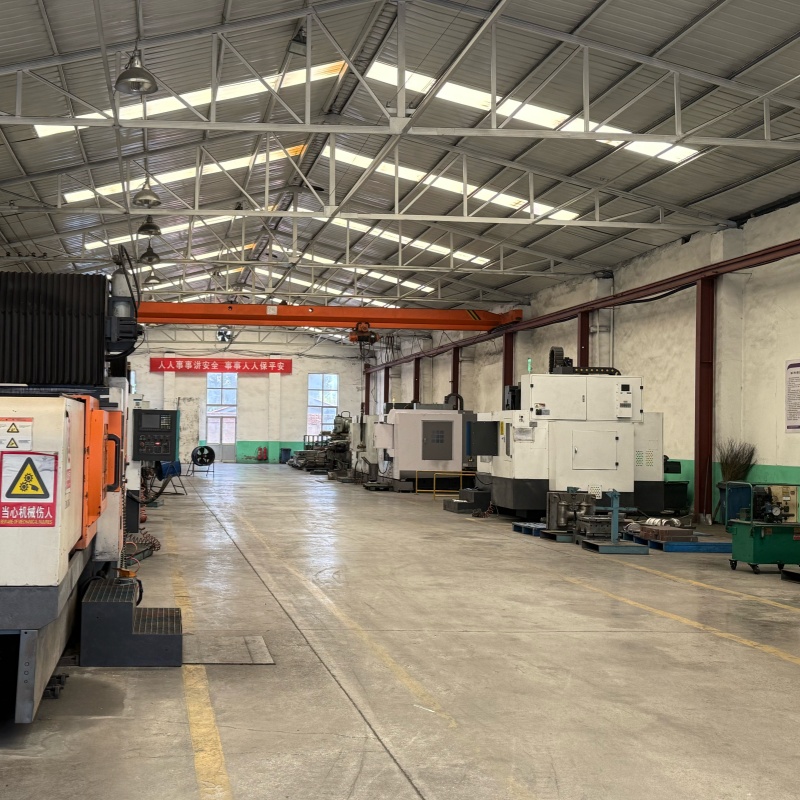
Manufacturing process: Forging + CNC machining
Item | Parameter |
|---|---|
Standard | ANSI B16.5, EN1092, DIN, GOST, UNI |
Size Range | NPS1/2"~24", DN10~DN2000 |
Pressure Class | Class150~2500LB; PN6, PN10, PN16, PN25, PN40, PN64, PN100 |
Material | Flange Ring: Carbon Steel; Stub End: 304, 316L, Duplex Steel, Titanium |
Sealing Face | RF, FF |

 |  |  |
 |  |  |
Q1: What is a Loose (Lap Joint) Flange?
A: It is a combined set consisting of a rotatable flange ring and a stub end. The flange ring can rotate freely to simplify bolt-hole alignment during installation.
Q2: What are the main advantages of a lap joint flange?
A: The freely rotating ring makes bolt alignment much easier, and because only the stub end contacts the medium, expensive alloy or titanium material can be used on the wetted part while a low-cost carbon steel ring saves total material cost.
Q3: Which standards and size range do you cover?
A: Standards include ANSI B16.5, EN1092, DIN, GOST and UNI. Sizes range from NPS 1/2" to 24" (DN10–DN2000).
Q4: What pressure classes are available?
A: Class150–2500LB, and PN6, PN10, PN16, PN25, PN40, PN64 up to PN100, suitable for corrosive medium pipelines.
Q5: What materials are used for the ring and stub end?
A: The flange ring is normally carbon steel, while the stub end can be 304, 316L, duplex steel or titanium, matching the corrosion requirements of the line.
Q6: What facing types and applications are typical?
A: RF and FF facings. It is widely used in corrosive medium pipelines, marine, chemical and water supply systems, especially stainless and titanium piping for chemical and marine projects.


