


close
Choose Your Site
Global
Social Media
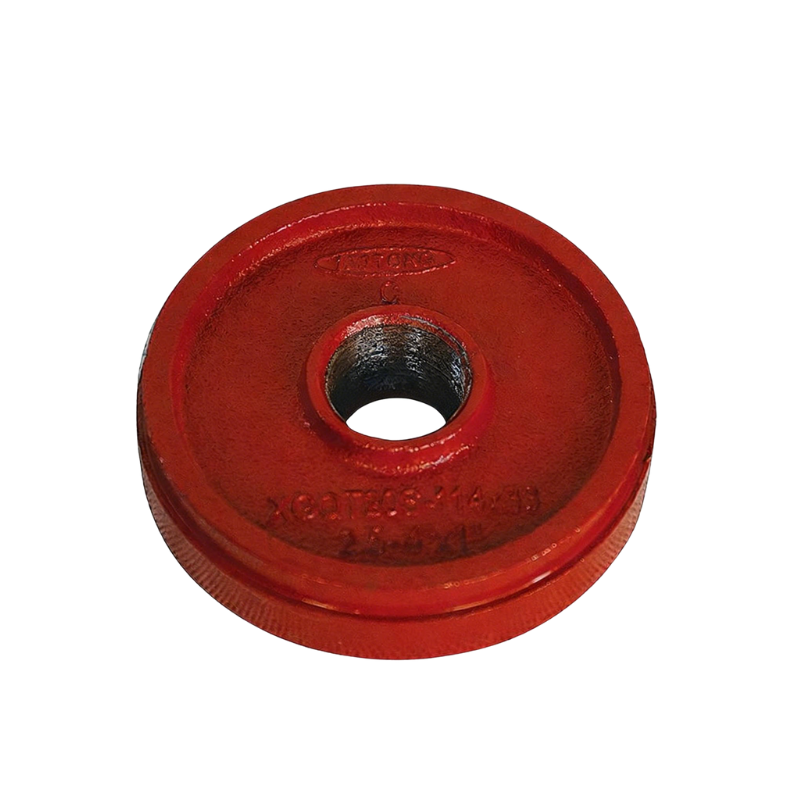
An eccentric grooved drain cap is a candidate when a horizontal pipe end needs a lower drain entrance. A concentric outlet suits a connection on the pipe axis. The useful comparison is the installed opening height and the space needed by the connected drain, rather than the hole position alone.
Read More
Choose a rubber lined pipe clamp by matching its assembled clamping range to the pipe’s actual outside diameter, then checking the liner’s documented temperature limits and intended contact condition. The liner should separate the pipe from the clamp’s metal at the designed contact surfaces;
Read More
Select a beam adapter by matching its documented grip to the actual steel flange, its attachment point to the mating brace, and its permitted load case to the force at that connection. A clamp that fits over the edge is only a starting point: seating, position, direction and the capacity of the supp
Read More
Select a plate flange by matching its construction, PN designation, gasket face, complete drilling pattern and bore to the specified piping connection. For EN 1092-1 Type 01, the defining construction is a hubless plate flange for welding; the name alone does not establish its facing or suitability
Read More
Plumbing networks rely entirely on their smallest components to function safely. Among miles of sturdy piping, plumbing pipe fittings represent the most frequent locations for structural failure, pressure loss, and strict code violations. These vital junctions determine the ultimate integrity of any
Read More
Selecting the right plumbing pipe fittings and materials is a high-stakes decision. This choice heavily impacts project budgets. It also determines labor timelines and long-term property liability. You simply cannot afford to guess when planning a build or remodel.
Read More
Selecting the wrong components for a water or gas system inevitably leads to catastrophic leaks. Such failures trigger severe code violations, property damage, and highly expensive rework. Decision-makers must constantly balance immediate project constraints against long-term structural integrity.
Read More
Selecting the correct components goes far beyond simply connecting two sections of pipe. It is a critical task. You must ensure system longevity and maintain absolute pressure integrity. Professionals also need to adhere strictly to local and international building codes.
Read More Every contractor knows a tiny leak can destroy a massive project. Specifying the wrong components often leads to failed inspections. Expensive callbacks and severely compromised project margins usually follow. You must move beyond basic residential advice to focus on commercial liability.
Read More
Material selection for commercial and industrial piping represents a critical risk-management decision. Material failure often brings catastrophic consequences to active operations. It routinely causes costly fluid leaks, unscheduled system downtime, and severe compliance violations.
Read More
Selecting industrial pipe fittings demands strict attention to technical details. Engineers must balance upfront material expenses against long-term durability and system safety. Sourcing components for commercial or industrial piping systems brings significant procurement challenges.
Read More
Avoid flange sizing errors that cause leaks, downtime, and compliance failures. Learn key dimensions, pressure classes, and material grades.
Read More
Select carbon steel flanges confidently: compare ASTM grades, costs, corrosion risks, and coatings. Ensure high-pressure system safety.
Read More
Prevent pipeline failures and budget overruns. Discover when to specify a carbon steel flange versus stainless or exotic alloys for your system.
Read More
Pipe failures, sudden leaks, and unexpected system downtime share a common origin. They often trace back to improper fitting selection or mismatched threading. Upfront costs for stainless steel components are certainly higher than carbon steel or brass equivalents. However, their superior long-term
Read More
Procuring industrial stainless pipe fittings is never merely a commodity purchase. You must treat it as a critical risk-management decision. Choosing incorrect specifications inevitably leads to severe system failures. Leaks compromise facility safety, premature corrosion degrades expensive infrastr
Read More
Industrial piping systems regularly suffer from hidden inefficiencies. Pipeline failures, fluid leaks, and unexpected downtime often stem from specifying incorrect or sub-standard pipe fittings. When a single joint fails, it can shut down an entire chemical processing line or halt a manufacturing fl
Read More
Industrial and commercial piping systems demand flawless component selection because the stakes remain exceptionally high. Choosing an incorrect fitting material often leads to premature system failures. These failures trigger regulatory compliance violations and cause severe unscheduled downtime.
Read More
Material selection for industrial piping directly dictates system uptime. It impacts maintenance overhead and safety compliance. Relying on default specifications often leads to premature failure. You also risk overspending on incompatible replacements. Brass, carbon steel, and aluminum certainly ha
Read More
Selecting the right piping components directly determines system integrity and regulatory compliance. Specifying incorrect materials or mismatched thread standards often leads to premature corrosion, dangerous leaks, and severe operational downtime. Facility managers and engineers face immense press
Read More

