


close
Choose Your Site
Global
Social Media


 China supply chain capabilities Strict quality control Stable delivery period System solution experience Efficient logistics management


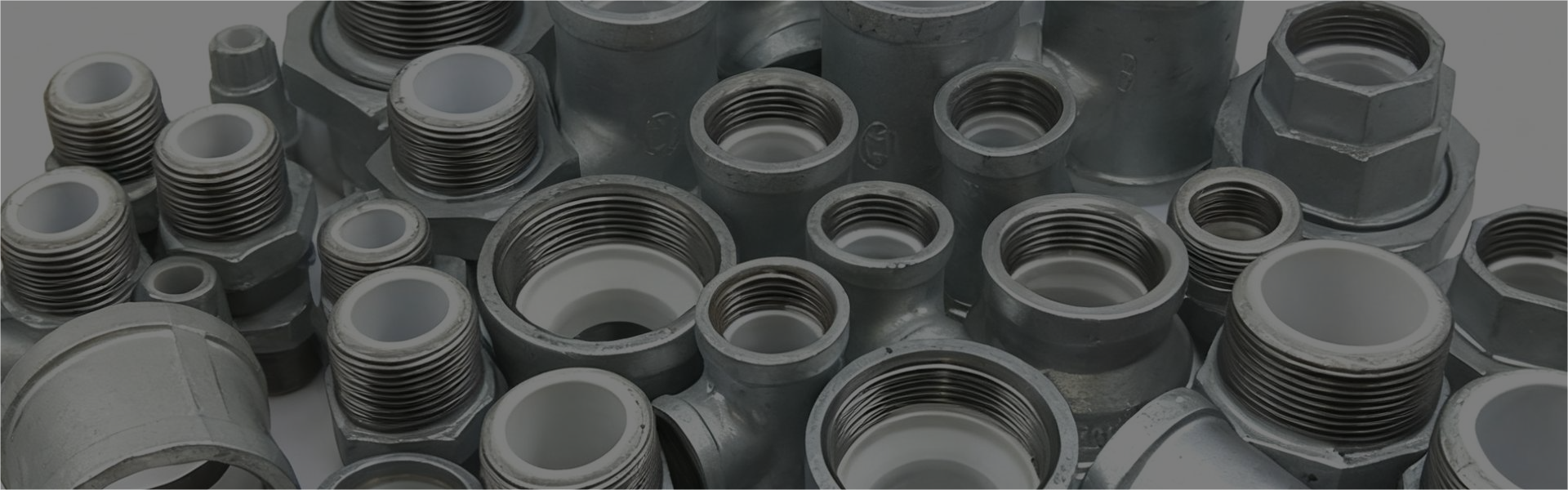
Plumbing networks rely entirely on their smallest components to function safely. Among miles of sturdy piping, plumbing pipe fittings represent the most frequent locations for structural failure, pressure loss, and strict code violations. These vital junctions determine the ultimate integrity of any
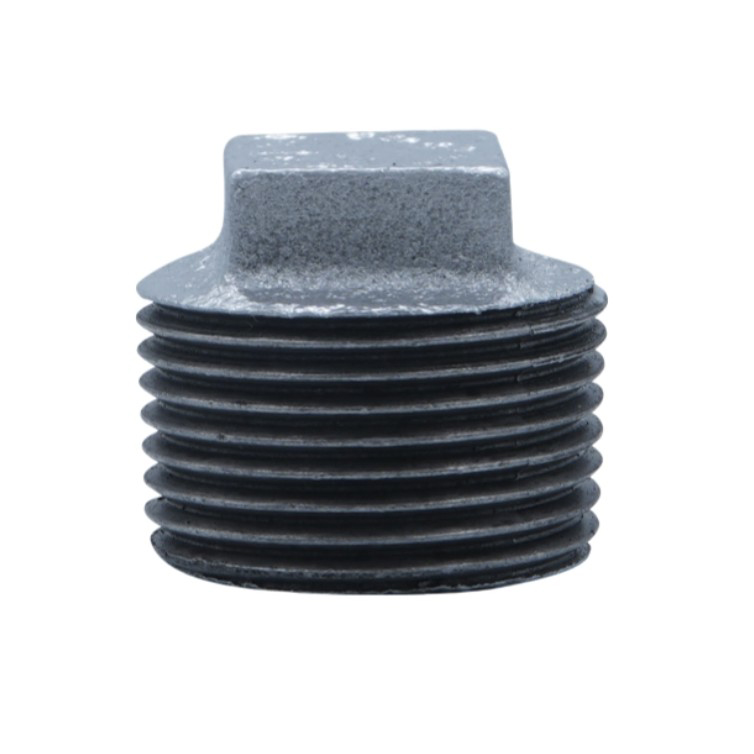
Selecting the right plumbing pipe fittings and materials is a high-stakes decision. This choice heavily impacts project budgets. It also determines labor timelines and long-term property liability. You simply cannot afford to guess when planning a build or remodel.

Selecting the wrong components for a water or gas system inevitably leads to catastrophic leaks. Such failures trigger severe code violations, property damage, and highly expensive rework. Decision-makers must constantly balance immediate project constraints against long-term structural integrity.

Selecting the correct components goes far beyond simply connecting two sections of pipe. It is a critical task. You must ensure system longevity and maintain absolute pressure integrity. Professionals also need to adhere strictly to local and international building codes.

Every contractor knows a tiny leak can destroy a massive project. Specifying the wrong components often leads to failed inspections. Expensive callbacks and severely compromised project margins usually follow. You must move beyond basic residential advice to focus on commercial liability.
Material selection for commercial and industrial piping represents a critical risk-management decision. Material failure often brings catastrophic consequences to active operations. It routinely causes costly fluid leaks, unscheduled system downtime, and severe compliance violations.

Selecting industrial pipe fittings demands strict attention to technical details. Engineers must balance upfront material expenses against long-term durability and system safety. Sourcing components for commercial or industrial piping systems brings significant procurement challenges.

Avoid flange sizing errors that cause leaks, downtime, and compliance failures. Learn key dimensions, pressure classes, and material grades.


