


close
Choose Your Site
Global
Social Media
Views: 0 Author: Site Editor Publish Time: 2025-11-10 Origin: Site


Have you ever wondered how fire protection systems are connected so securely and quickly? Grooved end pipes have become a game-changer in modern fluid conveyance systems. These pipes are growing in popularity, especially in fire safety and construction industries, thanks to their fast installation and reliable performance. In this post, we'll dive into what grooved end pipes are, how they work, and why they're becoming the preferred choice for fire protection systems.
Grooved end pipes are crucial in modern fluid conveyance systems, particularly for fire protection. These pipes consist of three essential components: the pipe body, sealing gaskets, and grooved fittings and clamps. Each part plays a key role in ensuring secure, leak-proof connections that can withstand the demands of fire protection systems.
The body of a grooved end pipe is typically made from steel, often fire steel pipe, which ensures strength and durability. Common materials include high-quality steels like Q235B or Q355. For added protection, many pipes are coated with materials like galvanization or epoxy, which help to resist corrosion in harsh environments.
The pipe’s dimensions are important for the system's compatibility with fittings. Precision is crucial here. The ends of the pipe are machined with specific grooves that must meet strict standards. These grooves ensure that fittings, such as elbows or tees, can securely attach and form a tight seal. Any variation in groove dimensions can lead to leakage, which makes accuracy in manufacturing a top priority.
Sealing gaskets are essential for preventing leaks at the joints where the grooved end pipe connects to other components. These gaskets, often made from flexible rubber materials like EPDM or nitrile, fit tightly around the pipe’s grooved end.
These gaskets are designed to compress when the clamps are tightened, filling any small gaps between the pipe and the fitting. They adapt to minor pipe movements and thermal expansion, maintaining a reliable seal under varying conditions. For fire protection systems, gaskets must also withstand high temperatures and exposure to water, ensuring they don't lose their integrity under pressure.
Fittings and clamps are what hold the entire grooved end pipe system together. The fittings—such as elbows, tees, and reducers—have matching grooves that align with those on the pipe. These fittings are secured by two-piece metal clamps that fit over the grooves and gasket.
Once the clamps are tightened, they create a mechanical bond, pressing the gasket to form a leak-proof seal. The clamps also help ensure that the pipe system remains secure, even during vibrations or slight movements. In fire systems, this level of security is crucial, as a compromised joint could lead to system failure. The role of clamps is to prevent such issues by providing strong, durable connections.
These components together make the grooved end pipe a reliable and efficient choice for fluid conveyance, particularly in critical systems like fire protection.

Grooved end pipes are designed for easy and secure assembly. The process involves several steps, from pipe preparation to securing the final connection, ensuring that each joint is leak-proof and reliable.
The first step in preparing a grooved end pipe is cutting it to the required length. It’s important to ensure the cut is smooth and free of burrs. Once the pipe is cut, the ends are grooved using a roll grooving machine. This machine precisely forms circular grooves on the pipe’s outer surface. The groove dimensions—depth, width, and position—must meet strict standards to ensure compatibility with fittings and gaskets. Proper preparation is critical, as any variation in the grooves can lead to poor sealing or connection failure.
Next, a flexible rubber gasket is placed over one of the pipe ends. Gaskets are essential for forming a tight, leak-proof seal. The gasket is positioned carefully, ensuring it fits snugly within the groove. It’s important that the gasket is centered and doesn’t overlap the groove itself. For flange connections, the gasket’s "C-shaped" opening should face outward to facilitate compression when the clamp is applied. The gasket’s role is to provide a barrier against leaks, especially under pressure or temperature changes.
After the gasket is in place, the pipe ends are aligned with matching fittings, such as elbows or tees. The grooved ends of the pipe must fit securely with the grooves on the fittings. Once aligned, a two-piece metal clamp is placed over the gasket and the grooves. The clamp is tightened using bolts in a cross-diagonal sequence. This uniform tightening compresses the gasket, ensuring it fills any gaps and creates a strong, reliable seal. The clamp holds the pipe, gasket, and fitting in place, making the joint secure and resistant to leaks, even during vibration or pressure fluctuations.
This simple yet effective process makes grooved end pipes an efficient solution for fluid conveyance systems, especially in critical applications like fire protection.
Grooved end pipes have become a popular choice in fire protection systems, offering multiple advantages over traditional piping methods. These benefits include faster installation, superior sealing, easy maintenance, and overall cost efficiency, making them the go-to option for modern fire safety infrastructure.
One of the standout advantages of grooved end pipes is the speed of installation. Unlike welded or flanged pipes, which require more complex steps and skilled labor, grooved end pipes are easier to assemble. The process eliminates the need for welding and threading, reducing installation time by up to 50%. With simple clamps and gaskets, even less experienced workers can set up the system quickly. This saves both time and labor costs, especially in large-scale fire protection projects where quick turnaround is critical.
Grooved end pipes provide reliable, long-lasting seals thanks to their flexible gaskets. These gaskets can adapt to temperature fluctuations and pressure changes, maintaining a leak-proof seal even under challenging conditions. This flexibility is especially important in fire protection systems, where pipes must withstand pressure spikes and thermal expansion. The ability to absorb minor movements ensures that the system stays intact during seismic activity or temperature shifts, ensuring consistent performance when it matters most.
Another key benefit is the ease of maintenance. Unlike welded pipes, which require cutting and re-welding for repairs, grooved end pipes can be disassembled quickly by loosening the clamps. This makes repairs much easier and faster, reducing downtime and maintenance costs. Additionally, the pipe and fittings can often be reused, making grooved end pipes a sustainable choice. For fire protection systems, this reusability can lead to significant savings over the life of the system.
Grooved end pipes are a cost-effective solution for fire protection systems, particularly in large installations. While the initial cost of the grooving equipment and clamps may be higher, the savings in labor and time quickly offset the expense. The faster installation process, reduced need for skilled labor, and easy maintenance all contribute to lower overall project costs. For systems that require frequent updates or repairs, the ability to reuse components further drives down expenses. Grooved end pipes offer an excellent balance of performance and affordability, making them an ideal choice for fire safety professionals.
When choosing the right piping system, it's important to weigh the benefits and drawbacks of various connection methods. Grooved end pipes offer significant advantages over traditional welded and flanged connections. Below, we compare these methods across key factors like installation speed, labor requirements, sealing reliability, and maintenance.
Feature | Grooved End Pipe | Welded Pipe |
Installation Speed | Fast (minutes per joint) | Slow (requires welding + cooling) |
Labor Requirements | Low (basic training suffices) | High (certified welders needed) |
Sealing Reliability | High (flexible gasket adapts to movement) | High (permanent atomic bond) |
Fire Safety Risk | Low (no open flame during installation) | High (welding creates ignition risks) |
Maintenance Ease | Easy (reusable; no pipe damage) | Difficult (cutting/welding required) |
Pressure Capacity | Sufficient for fire systems | Excellent (handles high pressure) |
Grooved end pipes are much faster to install compared to welded pipes. Welding requires skilled labor and longer work times. On the other hand, grooved end pipes can be assembled in minutes with minimal training. They also avoid fire safety risks, which are present in welding due to the use of open flames.
Welded pipes offer a permanent connection that is strong but harder to repair. In contrast, grooved end pipes can be easily disassembled and reused, making repairs or modifications simpler and more cost-effective.
Feature | Grooved End Pipe | Flanged Pipe |
Sealing Reliability | High (flexible gasket accommodates movement) | Moderate (depends on gasket condition) |
Ease of Installation | Fast (clamps and gaskets) | Moderate (requires bolts and gaskets) |
Maintenance Ease | Easy (can be disassembled and reused) | Moderate (gasket replacement needed) |
Cost Efficiency | High (less labor, reusable parts) | Moderate (requires more labor) |
When compared to flanged pipes, grooved end pipes offer a better sealing reliability due to their flexible gaskets, which can adapt to temperature fluctuations and minor pipe movements. While flange connections are also strong, they require more complex installation and maintenance, including tightening bolts and replacing gaskets.
Grooved end pipes are also easier to install, saving time and labor. Flanged pipes, on the other hand, require careful installation of bolts and gaskets. Additionally, grooved connections are more cost-effective, as they can be reused and don’t require specialized labor for installation or repairs.
Tip: When deciding between grooved end pipes and traditional connections, consider the project timeline and maintenance needs. Grooved pipes are ideal for projects where speed and future flexibility are key, while traditional methods may be more suitable for very high-pressure applications.
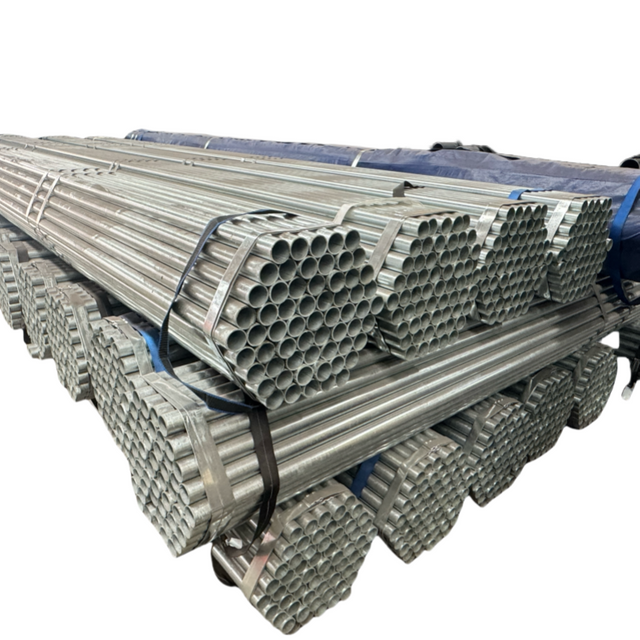
Fire steel grooved pipes are essential components in modern fire protection systems. To ensure their reliability and safety, these pipes must adhere to strict specifications and industry standards. Here, we’ll discuss the dimensions, groove standards, and certifications that make fire steel grooved pipes suitable for their critical applications.
Fire steel grooved pipes come in a variety of sizes to suit different fire protection needs. Common pipe diameters range from DN15 (1/2") to DN200 (8"), with wall thicknesses matching the standards like SCH 10S, STD, or SCH 40. These sizes allow the pipes to meet the flow requirements of sprinkler systems and other fire suppression applications.
The materials used for fire steel pipes are typically high-quality steel grades, such as Q235B or Q355. These steels are known for their strength and durability, making them suitable for use in fire protection systems where high pressures and temperature fluctuations are common. To enhance corrosion resistance, many pipes are coated with galvanization or epoxy, ensuring they withstand harsh environments and long-term exposure to water.
The grooves on fire steel pipes must be precisely machined to ensure compatibility with fittings and clamps. The groove's depth, width, and position must meet strict tolerances to prevent leaks and ensure a secure connection. Even slight deviations in groove dimensions can cause a poor fit, leading to potential failures in the system.
The groove machining process must be done with great care, using specialized roll grooving machines. These machines are calibrated to create grooves that match industry standards, ensuring they fit securely with standard grooved fittings and gaskets. The precision of the grooves is essential for the pipe’s ability to form leak-proof, durable connections in fire protection systems.
To ensure fire steel grooved pipes meet the required safety and performance benchmarks, they must comply with industry standards. Some of the most recognized standards include:
● ASTM A795: This standard specifically applies to steel pipes for fire protection systems, ensuring the materials meet performance and safety criteria.
● UL (Underwriters Laboratories): Pipes that are UL-listed have been tested and approved for fire safety and performance under extreme conditions.
● FM (Factory Mutual): FM certifications ensure that pipes are designed to withstand high pressures and meet safety requirements for fire systems.
These certifications and standards are crucial for ensuring that fire steel grooved pipes perform reliably in demanding fire protection systems, helping prevent failures and improve overall system safety.
Grooved end pipes offer key benefits in fire protection systems, including fast installation, reliable sealing, and easy maintenance. Their cost-effectiveness makes them an ideal choice for large-scale projects. Fire safety professionals and system designers should consider these pipes for modern fire protection systems. Maitolead provides high-quality grooved end pipe solutions that deliver excellent value, ensuring superior performance and long-term durability in critical applications.
A: A grooved end pipe is a pipe with precisely machined grooves at both ends, allowing for easy connection to fittings using clamps and gaskets. These pipes are commonly used in fire protection systems, including fire steel pipes, due to their fast installation and secure, leak-proof joints.
A: Grooved end pipes are connected using clamps and gaskets to form secure, leak-proof joints. Their flexibility and quick installation make them ideal for fire steel pipe systems, providing reliable performance in fire suppression.
A: Grooved end pipes offer fast installation, superior sealing, and easy maintenance, making them a cost-effective choice for fire steel pipe systems. They are more flexible than welded or flanged pipes and can withstand temperature fluctuations.


