


close
Choose Your Site
Global
Social Media
Views: 0 Author: Site Editor Publish Time: 2025-11-07 Origin: Site


Flanges are essential components in the world of pipeline systems, providing secure connections between pipes and equipment. Choosing the right flange is crucial for ensuring safety and efficiency. Factors like pressure, temperature, and application all play a role in making this decision.
In this article, we'll explore the different types of flanges and their unique features. You'll learn how to choose the right one based on your specific needs and environment.
Flanges are essential components for connecting pipes, equipment, and systems in various industries. There are several types of flanges, each designed for specific applications based on pressure, temperature, and material compatibility. Below, we’ll explore some of the most commonly used flange types.
Slip-on flanges are one of the simplest flange designs. They slide over the pipe and are then welded in place, both on the inner and outer surfaces. This type of flange is quick to install and easy to work with, making it a popular choice in many applications.
Applications:
● Best suited for low to medium pressure systems.
● Commonly used in general industrial pipelines, air conditioning systems, and mechanical equipment.
Advantages:
● Cost-effective: Lower material and manufacturing costs.
● Easy to install: Saves time during installation.
The Weld Neck flange has a long, tapered neck that is welded directly to the pipe. This design helps distribute stress evenly, making it ideal for high-pressure and high-temperature environments. Weld Neck flanges are more robust and durable, ensuring better performance under extreme conditions.
Applications:
● Ideal for systems requiring high pressure and high temperatures, such as chemical plants, petroleum pipelines, and pressure vessels.
Advantages:
● Stronger joint: The long neck design reduces stress concentration.
● High resistance: Performs well in tough environments.
Threaded flanges have internal and external threads, allowing them to be screwed onto the pipe without welding. This connection method makes them quick to install and remove, making threaded flanges a practical option for systems that require frequent disassembly.
Applications:
● Suitable for low-pressure systems, typically used in small-diameter pipelines, such as in instrument pipes and fire-fighting systems.
Advantages:
● No welding needed: Ideal for situations where welding isn't possible or desired.
● Easy to remove: Threaded connections make it convenient for maintenance.
Flange Type | Best For | Advantages | Typical Applications |
Slip-On Flange | Low to medium pressure systems | Cost-effective, easy to install | General industrial pipelines, A/C systems |
Weld Neck Flange | High-pressure, high-temperature | Stronger joints, high resistance to stress | Chemical plants, petroleum, pressure vessels |
Threaded Flange | Low-pressure, small-diameter | No welding required, easy to install and remove | Instrument pipes, fire-fighting systems |
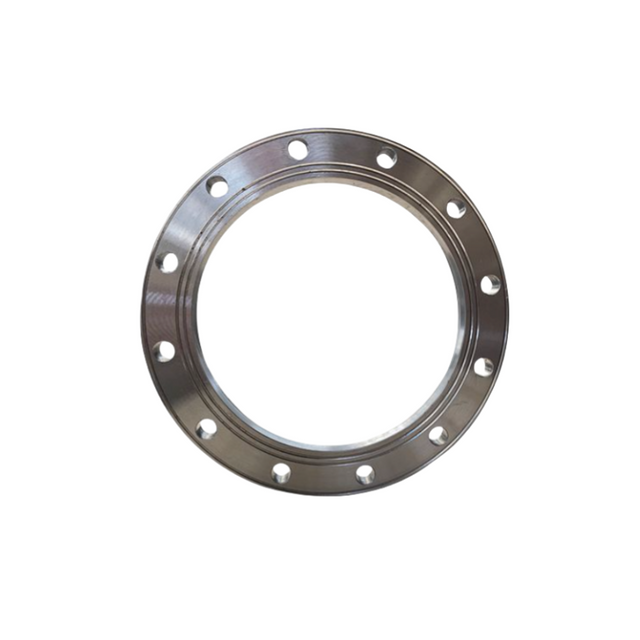
Flanges for medium to high-pressure systems are built to withstand greater stresses and temperatures. These flanges are essential in industrial applications where reliability and strength are crucial. Let’s take a closer look at some of the most commonly used flanges for such demanding environments.
Socket weld flanges are designed for high-pressure systems. The pipe is inserted into the socket of the flange and then welded into place. This method creates a strong and secure connection, making it ideal for medium-pressure applications.
Applications:
● Primarily used in systems that handle medium pressure, such as small-diameter pipes in refineries and chemical plants.
Advantages:
● Compact Design: The socket weld flange ensures a tight, secure fit.
● Excellent Sealing: The welds provide a strong seal, preventing leaks.
● Easy Maintenance: It’s easy to remove and replace components, which makes it ideal for regular maintenance.
Blind flanges are used to close the ends of pipes, acting as a cap for the pipeline system. These flanges have no central hole and are used when a pipe system needs to be sealed off for maintenance or shutdown purposes.
Applications:
● Ideal for isolating sections of pipelines or equipment during maintenance or when a system is temporarily out of use.
● Used in industries like oil and gas for controlling the flow of media.
Advantages:
● Effective Isolation: Perfect for isolating sections without interrupting the entire system.
● Simple Design: No need for additional piping or fittings, which keeps costs down.
● Durable: Able to withstand high pressures when properly installed.
Reducing flanges are used to connect pipes of different diameters. These flanges have a smaller inner diameter that fits the larger pipe and helps transition between pipes of different sizes.
Applications:
● Typically used in systems where pipes of varying sizes need to be connected, such as in water treatment plants or refinery processes.
Advantages:
● Smooth Transition: Allows for easy connection between different pipe sizes without leaks.
● Cost-Efficient: Eliminates the need for extra adapters or fittings.
● Industry Versatility: Commonly used in system redesigns and expansions.
Flange Type | Applications | Advantages | Industry Uses |
Socket Weld Flange | Medium-pressure, small-diameter pipes | Compact, excellent sealing, easy maintenance | Refineries, chemical plants, steam systems |
Blind Flange | Pipeline isolation, system shutdowns | Effective isolation, durable, simple design | Oil & gas, water treatment, power plants |
Reducing Flange | Connecting pipes of different diameters | Smooth transition, cost-efficient | Water treatment, refineries, system redesigns |
Flanges are designed for specific purposes based on the operational environment and the unique challenges each industry faces. In some cases, flanges are built to handle specialized conditions like frequent maintenance or exposure to corrosive materials. Let’s dive into two of the most common specialized flanges used in these environments.
Lap Joint flanges, also known as loose flanges, are commonly used in systems that require easy disassembly. Unlike traditional flanges, the lap joint flange consists of two parts: a flange with an inner ring that fits over the pipe and a loose flange that is bolted onto the inner ring.
How It Works:
● The loose flange is placed over the pipe and secured using bolts, but it doesn’t require welding. This design allows for flexibility and ease of installation.
● It is particularly beneficial in systems where pipes need to be frequently disconnected for maintenance, repair, or replacement.
Applications:
● Maintenance-heavy Systems: Common in industries like chemical processing, power plants, and shipbuilding where pipelines must be regularly maintained or replaced.
● Non-corrosive Media: Typically used in low-pressure applications where the media isn’t corrosive, such as water treatment systems or HVAC systems.
Benefits:
● Ease of Maintenance: The design allows for quick disassembly and reassembly without the need for welding or specialized equipment.
● Flexibility: Ideal for systems that require flexibility during installation and for future modifications or repairs.
● Cost-Effective: The loose flange design reduces installation time and costs.
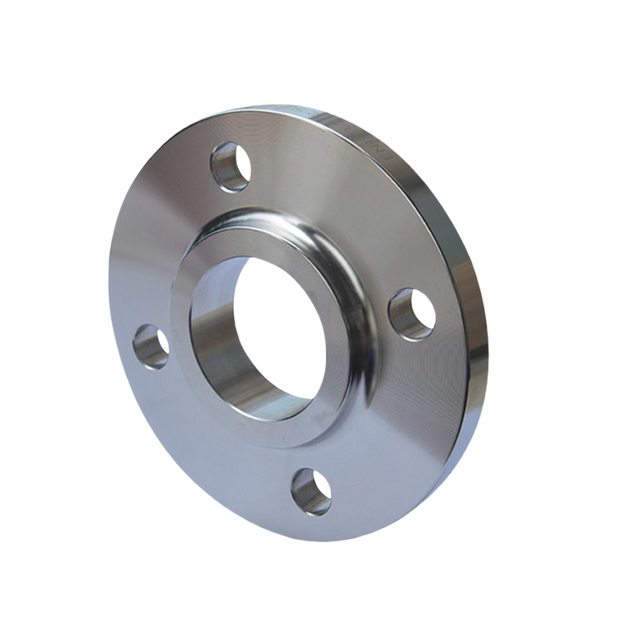
Stainless steel flanges are the go-to choice for environments where corrosion resistance is critical. Stainless steel offers superior strength and durability, making it ideal for industries that deal with aggressive or corrosive media, such as chemicals, food processing, and medical applications.
Key Advantages of Stainless Steel in Corrosive Environments:
● Corrosion Resistance: Stainless steel is resistant to rust, chemicals, and high temperatures, making it perfect for harsh environments.
● Strength: Provides strong, reliable connections in high-pressure systems or systems exposed to extreme conditions.
● Long Lifespan: Stainless steel flanges have a long service life, which reduces the need for frequent replacements.
Applications:
● Chemical Industry: Used in pipelines that carry corrosive chemicals like acids and solvents.
● Food Processing: Used to ensure sanitary connections in food and beverage systems, where hygiene and cleanliness are paramount.
● Medical Industry: Crucial in medical equipment and pharmaceuticals, where corrosion resistance and durability are essential for maintaining safety and sterility.
Benefits:
● Enhanced Durability: Withstands harsh chemicals and high temperatures without degradation.
● Compliance: Meets the stringent standards required in food and medical industries, ensuring safety and reliability.
● Ease of Maintenance: Stainless steel flanges are easy to clean and maintain, especially in industries where hygiene is critical.
Choosing the right flange is critical for the safety and efficiency of any pipeline system. Several factors must be considered to ensure that the flange can withstand the specific conditions of the environment it’s used in. Let's explore the key considerations when selecting the right flange for your system.
One of the most important factors to consider when selecting a flange is the pressure and temperature that the system will be exposed to. Different flange types are designed to handle varying levels of pressure and temperature.
● High-Pressure Systems: For systems that deal with high pressures, like those in oil refineries or high-temperature steam systems, flanges like Weld Neck Flanges are ideal. These provide robust strength and excellent stress distribution.
● Low-Pressure Systems: Slip-On Flanges are typically used for low-pressure applications due to their cost-effectiveness and ease of installation. However, they aren’t as durable under extreme pressure or temperature.
Selecting the right flange for your pressure and temperature requirements ensures safe, reliable system operation.
Another critical consideration is the type of medium flowing through the pipeline. Whether the fluid is corrosive, abrasive, or sensitive to temperature changes, the material of the flange must be compatible.
● Corrosive Media: For systems that carry aggressive or corrosive chemicals, flanges made of stainless steel or other corrosion-resistant materials are necessary. These materials prevent degradation from acids, solvents, or other harmful substances.
● Non-Corrosive Media: For systems dealing with non-corrosive fluids, carbon steel flanges can often be used to cut costs while still providing adequate performance.
The material of the flange must match the characteristics of the medium to avoid damage and ensure long-term performance.
Ease of installation and maintenance is another factor that can influence the type of flange selected. Some systems require flanges that are easy to disassemble and maintain, especially those in industries like chemical processing, where regular maintenance is necessary.
● Frequent Maintenance: For systems requiring regular disassembly, Lap Joint Flanges are a great option. Their design allows easy access for maintenance without the need for welding or cutting.
● Permanent Systems: For more permanent systems, Weld Neck Flanges provide a more secure, long-lasting connection. They are not as easy to disassemble but are ideal for systems that require stability and robustness over time.
Flange selection depends on how often you need to access the pipeline for repairs, inspections, or replacements.
Flanges must meet specific international standards to ensure they are compatible with other components in a pipeline system. Standards such as EN, ASME, and JIS dictate the dimensions, materials, and testing protocols for flanges.
● ASME B16.5 and EN 1092-1 are some of the most common standards for flanges used in high-pressure applications.
● JIS B2220 is often used for flanges in industries that require high precision and safety, such as in Japan.
Ensuring that the flange meets the necessary standards guarantees that it will fit properly within the system and perform optimally under expected conditions.
Choosing the right flange involves weighing several factors, such as cost, durability, ease of installation, and performance under extreme conditions. In this section, we’ll compare the different types of flanges discussed earlier, highlighting their advantages and disadvantages in key areas.
When it comes to cost, different flange types vary significantly. Some flanges are more affordable upfront, while others offer greater longevity and performance under extreme conditions, which may justify a higher price.
● Cost-Effective Options:
○ Slip-On Flange: These flanges are inexpensive and easy to install. They are great for low-pressure applications, making them a popular choice in many industries. However, they are less durable than other types and might not perform well under high-pressure or high-temperature conditions.
○ Threaded Flange: Also cost-effective, threaded flanges require no welding, which saves on installation costs. However, they are best suited for low-pressure systems and are not as durable under harsh conditions.
● Durable Options:
○ Weld Neck Flange: While more expensive, weld neck flanges are highly durable and can withstand extreme pressures and temperatures. They are ideal for high-pressure and high-temperature applications, making them a long-term investment.
○ Stainless Steel Flange: Though costly, stainless steel flanges offer excellent corrosion resistance, ensuring long service life in harsh environments.
Flange Type | Cost-Effectiveness | Durability |
Slip-On Flange | High | Low |
Threaded Flange | High | Low |
Weld Neck Flange | Low | High |
Stainless Steel Flange | Low | Very High |
Some flanges are easier to install and maintain than others, which can be a crucial factor, especially in systems that require frequent repairs or modifications.
● Easier Installation:
○ Slip-On Flange: These flanges are simple to install because they just slip onto the pipe and are welded in place. This ease of installation makes them a top choice for systems that need quick and straightforward setup.
○ Threaded Flange: Threaded flanges are easy to install because they screw onto the pipe, requiring no welding. This feature makes them ideal for smaller systems or systems where welding is impractical.
● More Maintenance-Intensive:
○ Weld Neck Flange: Although weld neck flanges provide strong, secure joints, they can be more time-consuming to install and maintain due to the need for precise welding. They are best for permanent installations.
○ Lap Joint Flange: Lap joint flanges are excellent for systems requiring regular disassembly for maintenance. They can be removed and reassembled easily, making them a good choice for systems with frequent maintenance needs.
Flange Type | Installation Ease | Maintenance Ease |
Slip-On Flange | Easy | Moderate |
Threaded Flange | Easy | Low |
Weld Neck Flange | Moderate | High |
Lap Joint Flange | Moderate | Very High |
Flanges must perform well under various environmental conditions, such as high pressure, extreme temperatures, or corrosive environments. Some flanges are better suited to these harsh conditions than others.
● High-Pressure and High-Temperature Conditions:
○ Weld Neck Flange: Known for its ability to handle high pressure and temperature, weld neck flanges are a go-to choice in industries like oil and gas or power generation.
○ Socket Weld Flange: This flange type is designed to handle medium- to high-pressure systems, making it suitable for steam systems, refineries, and other applications requiring high strength.
● Corrosive Environments:
○ Stainless Steel Flange: Stainless steel flanges are resistant to corrosion, making them ideal for systems that carry aggressive chemicals or are exposed to harsh environments, such as in the chemical or food processing industries.
○ Lap Joint Flange: While not as durable as stainless steel in corrosive environments, lap joint flanges are great for situations where the pipe material must be resistant to corrosion but ease of maintenance is also a priority.
Tip: When selecting a flange for your system, always prioritize the material compatibility with the medium being transported.
Flanges are crucial for connecting pipes in various systems. The key types include slip-on, weld neck, threaded, and stainless steel flanges. Each type is suitable for specific applications based on pressure, temperature, and material compatibility. Choosing the right flange ensures system reliability and efficiency. Maitolead offers a range of high-quality flanges, designed to meet industry needs with durability and performance.
A: Flanges are mechanical components used to connect pipes, valves, and other equipment in a system. They ensure a secure, leak-proof connection, making them essential for pipeline integrity.
A: Common types of flanges include slip-on, weld neck, threaded, and stainless steel flanges. Each type is designed for specific pressure, temperature, and media conditions.
A: Selecting the right flange depends on factors like pressure, temperature, and the type of medium being transported. Consider material compatibility and system requirements when making a decision.
A: Stainless steel flanges are highly resistant to corrosion, making them ideal for chemical, food, and medical industries where durability and hygiene are critical.


