


close
Choose Your Site
Global
Social Media


Flanges play a crucial role in connecting pipes and equipment in many industries. But have you ever wondered how they work? In this article, we’ll explain the function of flanges, from their core components to how they create reliable, leak-proof seals. You'll also learn about their applications and why they are essential in pipeline systems.
Flanges are made up of several key components that come together to form a strong, leak-proof connection. Let’s break down the core parts of a flange and their roles in making it work effectively.
The flange body is the main structure of the flange. It’s typically a disc-shaped piece that attaches to the pipe or equipment. The materials used for the flange body can vary depending on the pressure, temperature, and environment the flange is meant to withstand.
Materials:
● Carbon steel
● Stainless steel (304, 316L, etc.)
Design:
● Weld neck with reinforcing neck for added strength
● Flat or raised face designs, depending on the application
The gasket is the key element in ensuring the flange doesn’t leak. It's a compressible material placed between two mating flange surfaces. When the bolts are tightened, the gasket fills in microscopic imperfections, creating a tight seal.
Types of Gaskets:
● Graphite
● Rubber
● PTFE (polytetrafluoroethylene)
Role of Gaskets:
The gasket prevents leakage by forming a flexible barrier between the two flanges, filling gaps, and adapting to changes in pressure and temperature.
Bolts and nuts are used to fasten the flanges together. The force from tightening the bolts is what holds everything in place and maintains the seal.
How Bolts Distribute Force:
The bolts are tightened in a cross-diagonal pattern, which ensures that the force is evenly distributed across the flange surfaces, preventing uneven compression of the gasket.
Importance of Bolt Torque:
The right bolt torque is essential to ensure the correct amount of pressure is applied to the gasket. Too little torque won’t form a proper seal, while too much torque can damage the gasket or strip the bolts.Sealing Surface
The sealing surface is where the flange connects with its counterpart. It’s critical in ensuring the flange seals effectively under pressure.
Types of Sealing Surfaces:
● Raised Face (RF): Common in standard applications, creates a tight seal under pressure.
● Tongue and Groove (TG): Used for medium-pressure systems, prevents gasket extrusion.
● Ring Joint (RJ): For high-pressure applications, relies on metal gaskets to form a tight seal.
Impact on Gasket Compression:
The type of sealing surface affects how well the gasket is compressed, which directly influences the overall seal quality. A smooth, properly designed sealing surface helps the gasket form a better seal, preventing leaks.
Component | Materials & Features | Role |
Flange Body | Carbon steel, stainless steel, weld neck, reinforced neck | Provides structural integrity and attaches to the pipe or equipment |
Sealing Gasket | Graphite, rubber, PTFE | Prevents leaks by filling gaps between flange surfaces |
Bolts & Nuts | Various sizes and materials | Apply compressive force to ensure a tight seal |
Sealing Surface | RF, TG, RJ | Ensures proper compression of gasket and prevents leakage |
Tip: By understanding these components and how they work together, flanges ensure safe, reliable connections in various pipeline applications.
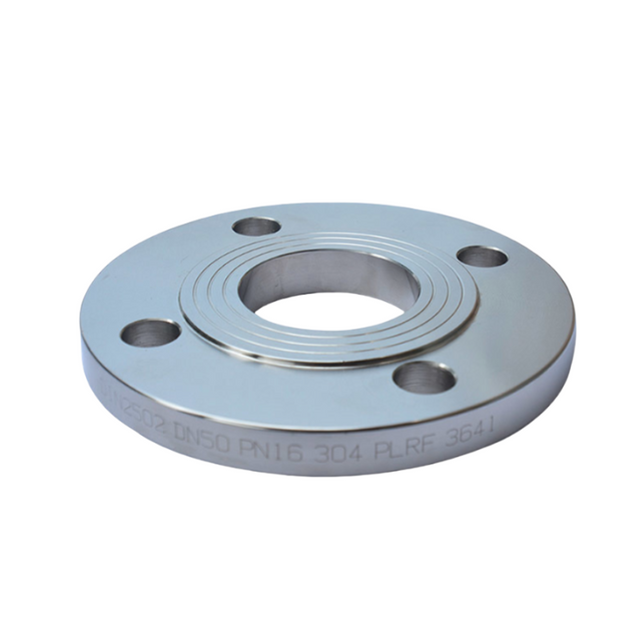
Flanges are critical components in many industries, providing secure, leak-proof connections for pipes, valves, and other equipment. Their operation involves a few key steps to ensure that they work effectively and maintain a reliable seal under pressure. Let’s explore how a flange works, from preparation to sealing in operational conditions.
Before a flange is assembled, the preparation process is crucial for ensuring it performs properly. This step involves cleaning and gasket placement.
Cleaning and Gasket Placement:
The sealing surfaces of the flange and pipe must be cleaned thoroughly to remove any contaminants such as rust, debris, or oil. These impurities can prevent the gasket from forming a proper seal, leading to leaks. Once clean, the gasket is placed carefully between the two flange faces, ensuring it is centered and free of overhang. If the gasket extends beyond the flange, it can be damaged during compression, compromising the seal.
Importance of Correct Alignment and No Overhang:
Proper alignment of the flange faces and gasket is essential. Any misalignment can cause uneven compression of the gasket, leading to weak spots where leaks may form. Ensuring the gasket is properly positioned also ensures that the flange faces are aligned in such a way that the seal is effective when the bolts are tightened.Mechanical Compression via Bolt Tightening
Once the flange and gasket are correctly aligned, it’s time to tighten the bolts. This step is essential in creating the force needed to form a tight seal.
Cross-Diagonal Tightening of Bolts:
The bolts are tightened in a cross-diagonal pattern, meaning they are not tightened in a straight line but rather in a crisscross manner. This method ensures that the force is distributed evenly across the flange faces, preventing any uneven pressure that could lead to an ineffective seal. It also helps prevent distortion of the flange body, which could affect the gasket’s ability to create a proper seal.
Force Transmission Through Flange Body and Gasket:
As the bolts are tightened, they apply a compressive force to the flange and the gasket. This force is transmitted through the flange body and directly compresses the gasket. The gasket material, which is flexible, deforms under pressure to fill any minor imperfections on the flange faces, preventing leaks. The flange body’s rigidity ensures that the force is directed toward the gasket, and not wasted on bending the flange.
Once the flange is installed, it must maintain its seal throughout the operation, even under pressure and fluctuating temperatures.
Pressure Enhancement and Self-Sealing Reinforcement:
One of the unique features of flanges is their self-sealing ability. As the internal pressure in the pipe increases, it actually helps reinforce the seal. The pressure pushes the gasket tighter against the flange faces, making the seal even stronger. This dynamic sealing action means that the flange can handle pressure changes during normal operation without compromising the integrity of the connection.
Compatibility with Different Surface Designs (RF, TG, RJ):
Flanges come with various sealing surface designs, including Raised Face (RF), Tongue and Groove (TG), and Ring Joint (RJ). These surface designs are optimized for different types of applications. Raised Face flanges provide focused pressure points, while Tongue and Groove flanges interlock to prevent gasket extrusion. Ring Joint flanges, typically used for high-pressure environments, rely on metal gaskets that deform into grooves to form a tight seal.
Flanges are often exposed to harsh environments, such as chemical processing or high-temperature applications. The material used in the flange must be compatible with these conditions to maintain sealing integrity.
Stainless Steel Flanges in Chemical Processing:
In environments like chemical processing, where corrosion is a concern, stainless steel flanges are often used. Stainless steel provides the necessary strength and resistance to corrosion, ensuring the flange maintains its integrity even when exposed to harsh chemicals or high temperatures.
Corrosion Resistance and Sealing Integrity:
Flanges made from corrosion-resistant materials, like stainless steel, are essential in industries where exposure to chemicals or corrosive substances is common. The material’s ability to resist corrosion ensures that the flange does not degrade over time, maintaining a strong, reliable seal. This is particularly important in applications like oil and gas, pharmaceuticals, and food processing.
When it comes to joining pipes and equipment, there are several options available. Each method has its pros and cons, and understanding the differences can help you choose the right one for your needs. Let’s compare flanges to other common connection methods like threaded joints, welding, and clamp connections.
Threaded joints are another popular option for pipe connections. However, they have some limitations compared to flanges.
Advantages of Threaded Joints:
● Quick Installation: Threaded joints are generally easier and faster to install. No special tools are required, and they can be assembled by hand.
● Ideal for Small Systems: For low-pressure applications or small systems, threaded joints work well and provide a simple solution.
Disadvantages of Threaded Joints:
● Limited in High-Pressure Applications: Threaded joints don’t perform well under high-pressure conditions. The threads can weaken, leading to leaks.
● Prone to Loosening: Over time, vibrations and pressure changes can cause threaded joints to loosen, compromising the seal.
Welding is another method used to connect pipes, offering a different set of advantages and challenges when compared to flanges.
Advantages of Welding:
● Smooth Flow: Welded joints create a smooth, continuous flow path. This is especially important in systems that require minimal resistance to fluid or gas flow.
● Long-Term Integrity: Welding provides a permanent connection, meaning no need for future disassembly or re-tightening.
Disadvantages of Welding:
● Labor-Intensive: Welding requires skilled labor and specialized equipment. This makes it more costly and time-consuming to install.
● No Flexibility for Maintenance: Unlike flanges, welded connections can’t be easily taken apart for repairs or inspections without cutting and re-welding.
Clamp connections are another alternative, commonly used for systems that need easy assembly and disassembly. They offer certain benefits, but also have some limitations.
Advantages of Clamp Connections:
● Speed of Assembly: Clamp connections are fast to install, making them an excellent choice for temporary setups or when quick changes are needed.
● Easy Disassembly: If maintenance or modification is needed, clamp connections can be quickly taken apart and reassembled.
Disadvantages of Clamp Connections:
● Pressure Limitations: Clamp connections typically have lower pressure ratings compared to flanges, which makes them less suitable for high-pressure systems.
● Less Secure: Clamps may not provide as tight or reliable a seal under heavy pressure, increasing the risk of leaks.
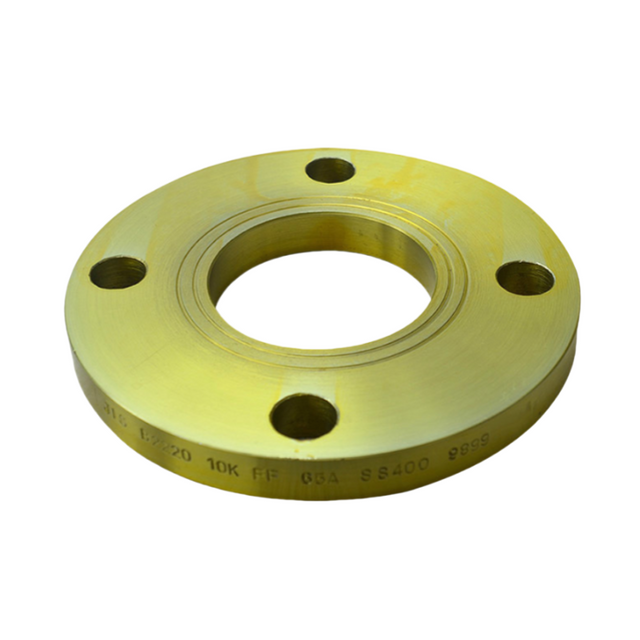
Flanges are designed to handle pressure, temperature, and mechanical stress, but there are certain limits to their performance. When these limits are exceeded, it can lead to failure, leaks, and system breakdowns. Let’s take a closer look at the critical performance limits of flanges and how they can affect the overall connection.
One of the most significant risks to flange performance is over-pressurization. When the pressure inside the pipeline exceeds the flange’s rated capacity, it can cause serious issues.
Risks of Exceeding Pressure Limits:
● Flanges are designed to withstand a specific range of pressure, which is typically marked by a pressure rating such as PN 2.5 MPa or PN 100. If the internal pressure exceeds this rating, it can result in the following problems:Gasket Extrusion: High pressure can force the gasket out of place, leading to gaps where leaks can occur.
● Flange Deformation: Excessive pressure can distort the flange body itself, causing it to lose its ability to maintain a tight seal.
Proper bolt torque is critical for ensuring a flange functions correctly. Both under-tightening and over-tightening can cause serious issues.
Consequences of Under-Tightening:
When bolts are not tightened enough, the flange faces may not compress the gasket properly, leading to leaks. Gaps can form between the flange faces, and the seal may fail under pressure.
Consequences of Over-Tightening:
● On the other hand, over-tightening bolts can cause damage. It can lead to:Gasket Damage: Excessive pressure on the gasket can cause it to deform or break.
● Bolt Thread Damage: Over-tightening can strip the threads on the bolts, making it difficult to reassemble the flange.
The condition of the flange surfaces plays a major role in its sealing performance. Any degradation of these surfaces can lead to leaks, even if the flange is properly assembled.
Corrosion or Scratches Leading to Leaks:
● Corrosion: Flanges exposed to harsh chemicals or moisture are prone to corrosion. Rust and corrosion create uneven surfaces that prevent the gasket from sealing properly.
● Scratches: Physical damage, such as scratches or dents, can also affect the surface. These imperfections can create small gaps between the sealing surfaces, allowing fluid or gas to leak through.
Performance Issue | Consequences | How to Prevent |
Over-Pressurization | Gasket extrusion, flange deformation | Regularly monitor and manage pressure |
Bolt Torque Issues | Leaks from under-tightening, gasket damage from over-tightening | Use proper torque values and tools |
Surface Degradation | Corrosion or scratches causing leaks | Regular inspections and surface maintenance |
Flanges play a crucial role in creating reliable, leak-proof connections across various industries. They work through key components such as the flange body, gasket, bolts, and sealing surfaces. These parts work together to ensure effective sealing under pressure. Flanges are vital in industries like oil and gas, pharmaceuticals, and power generation. Companies like Maitolead offer high-quality flanges that enhance performance and reliability, providing long-term value in industrial applications.
A: Flanges are mechanical connectors used to join pipes or equipment. They work by creating a tight seal through the combination of a flange body, gasket, bolts, and sealing surface.
A: Flanges maintain a leak-proof seal by tightening bolts, which compress the gasket. This pressure fills microscopic gaps, ensuring a secure connection that can withstand high pressure.
A: Flanges are essential in industries like oil and gas, ensuring leak-proof and reliable connections for pipes and equipment, even under extreme conditions.


