close
Choose Your Site
Global
Social Media
Views: 0 Author: Site Editor Publish Time: 2026-02-05 Origin: Site


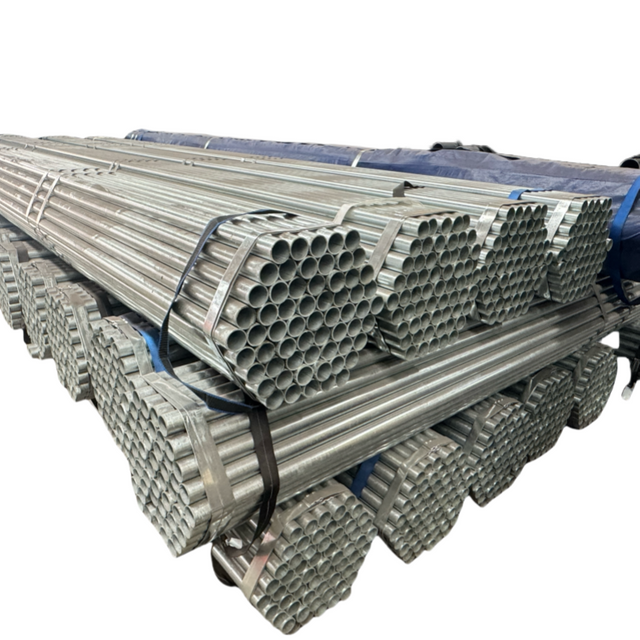
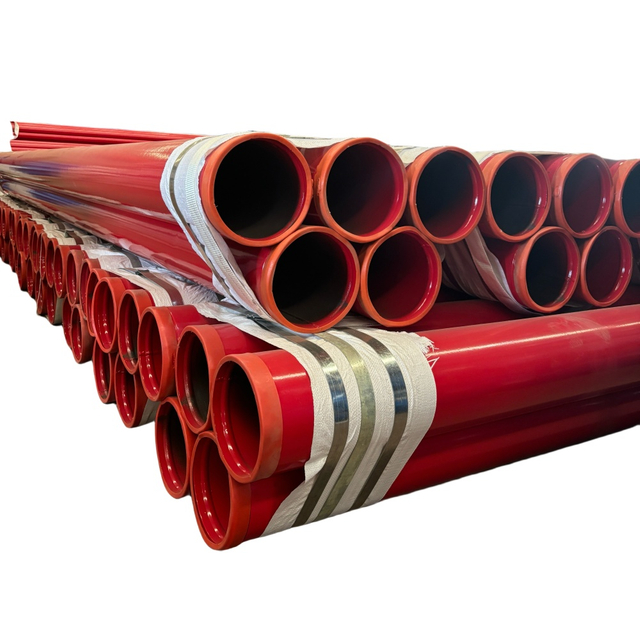
When you imagine a steel pipe, you probably picture a simple round tube carrying water underground. However, welded steel pipe is far more versatile than most people realize. Unlike standard options, these pipes can be formed into square or rectangular shapes for building structures. They start as flat steel plates or strips that are carefully bent and welded together. This process creates a highly efficient solution that is both strong and cost-effective for global industries.
Engineers rely on this adaptable material for everything from transporting oil to supporting massive bridges. In this article, we will break down the many specific uses of welded steel pipe. You will learn why it is vital for transporting fluids and supporting heavy foundations. By the end, you will understand exactly how these pipes keep our modern infrastructure running smoothly.
Understanding how these pipes are made helps you see their true value. It is not a complicated magic trick. It is a smart engineering process that emphasizes speed and consistency. Manufacturers start with a flat steel plate or a long steel strip.
They roll this flat metal tightly to form a specific shape. It usually becomes a round cylinder, but it can also be square. Once the shape forms, they weld the edges together. This creates a permanent seam running along the body. This simple method makes production incredibly fast compared to other types.
Rolling: The flat steel strip gets rolled into a curve.
Forming: Machines press it into a cylinder or box shape.
Welding: A high-heat process seals the seam shut forever.
Why do engineers and project managers choose this over seamless pipe? They choose it because the material offers specific advantages. These benefits make it easier to work with on a job site.
This steel possesses what experts call good plasticity. It means the metal can handle bending forces without cracking. It adapts well when you need to shape it slightly during installation. Seamless pipes are often more rigid, but welded versions offer more forgiveness.
You can process these pipes easily in the field. They are convenient for welding and processing. If crews need to join sections together, it is a straightforward job. This reliability makes them safe to use after strict inspections.
We cannot ignore the budget. Production is quick and highly efficient. Because factories can make it faster, it costs less to buy. This helps you save on investment costs when laying long pipelines. High transportation efficiency means you get more value for every dollar spent.
| Feature | Welded Steel Pipe Benefit |
|---|---|
| Production Speed | Fast manufacturing allows for shorter lead times. |
| Workability | Easier to weld and process on construction sites. |
| Cost | Lower production costs save money on large projects. |
You cannot use just any pipe for every job. We categorize these pipes based on how the manufacturer welds the seam. The welding method determines the pipe's strength and where you should use it. Let's look at the three main types found in the industry.
This is a very common type. Manufacturers take a flat steel strip and roll it into a tube. Then, they use high-frequency electrical current to heat the edges. This creates a bond without needing extra filler metal.
The seam runs straight along the pipe's body. It looks like a simple line. We typically use ERW pipe for low to medium-pressure applications. You will find it in water transport lines, fencing, and structural columns. It is cost-effective and efficient for standard needs.
SSAW pipe looks distinct because of its spiral seam. It resembles the cardboard tube inside a paper towel roll. Manufacturers make this specifically from hot-rolled steel strip coils. They form these coils into warm spirals before welding them.
The process often uses double-sided submerged arc welding. Sometimes they use high-frequency lap welding instead. Because it spirals, factories can produce very large diameters from narrow strips. This makes it perfect for heavy load-bearing projects. You often see them as piles for bridges and wharfs.
This type handles the toughest jobs. The process starts with a single heavy steel plate. Machines bend this plate into a "U" shape and then into an "O" shape. Once the edges meet, they are welded longitudinally along the length.
LSAW pipe is known for its incredible strength. It supports thicker walls and higher pressures than the other types. We use it in critical oil and gas transmission lines. It withstands harsh conditions where other pipes might fail.
| Type | Seam Shape | Best Application |
|---|---|---|
| ERW | Straight (Longitudinal) | Low/Medium pressure fluids, fencing, scaffolding. |
| SSAW | Spiral | Large diameter piles for bridges, wharfs. |
| LSAW | Straight (Longitudinal) | High-pressure oil/gas lines, thick walls. |
We see these pipes everywhere in modern life. They serve critical roles across many different sectors. From carrying water to your home to holding up massive bridges, their applications are diverse. Let’s explore the specific ways industries rely on them every day.
Moving liquids and gases is the most common use for this material. It is an efficient way to transport resources over long distances. We rely on strict standards to ensure safety and performance.
For high-pressure jobs, we look to the SY/T5038-2000 standard. This covers spiral seam high-frequency welded pipes. They are designed specifically for pressurized fluid transportation. It ensures the metal can handle the stress of oil and natural gas.
For general needs, we use the SY/T5039-2000 standard. This applies to low-pressure fluids like water or heating systems. These pipes offer strong pressure-bearing capacity. They also help companies save money on investment costs during installation.
Building heavy structures requires deep, strong roots. We call these roots "piles." Civil engineers frequently choose welded pipe for this heavy lifting. It is essential for constructing wharfs, bridges, and skyscrapers.
The industry follows the SY/T5768-2000 standard here. This specifies spiral-welded steel pipe for piles. Why do they choose this type? The spiral manufacturing process allows for very large diameters. It provides the massive surface area needed for deep foundation support.
You might think all pipes are round. However, welded steel allows for different shapes. We often see square or rectangular welded pipes in architectural projects. They provide a clean, modern look.
Builders use them for fencing, scaffolding, and structural columns. They are also popular in machinery manufacturing. The frames need to be strong but not too heavy. These pipes offer an excellent strength-to-weight ratio for equipment.
Drilling deep into the earth is risky work. The ground is unstable and can shift unexpectedly. We use welded pipe as a protective casing. It lines the drilled shaft during construction or resource extraction.
This casing prevents the hole from collapsing inward. It protects the expensive internal components from damage. It ensures the drilling operation remains safe and stable from start to finish.
| Application | Standard Ref. | Key Benefit |
|---|---|---|
| High-Pressure Fluids | SY/T5038-2000 | Handles stress of oil/gas transport safely. |
| Low-Pressure Fluids | SY/T5039-2000 | Cost-effective for water and general transfer. |
| Piling | SY/T5768-2000 | Large diameters support heavy bridges/wharfs. |
Choosing between these two types can feel confusing at first. You need to balance your project budget against performance requirements. For most general applications, welded pipe is often the smarter choice. Let’s look at why it frequently beats the seamless alternative.
Welded pipe is almost always more affordable for your bottom line. The manufacturing process is simpler and much faster. It uses less energy to produce than seamless pipe. This lower production cost passes directly to you. If you have a tight budget, this is your best option.
Consistency matters when you are building precise structures. Because welded pipe starts as a flat sheet, it has uniform wall thickness. The plate is rolled out evenly before welding. Seamless pipe can sometimes have uneven walls due to the extrusion process. You get a more predictable product with the welded version.
Do you need a massive pipe for a big project? Welded steel is your best solution here. We can manufacture it in much larger diameters than seamless tubes. It also typically has shorter lead times. You get your materials on site faster, which keeps your schedule moving.
You might ask if seamless pipe is ever necessary. It has its place in the industry. We recommend using it only for extreme pressure or temperature critical applications. Think of highly volatile chemical plants or steam lines. For almost everything else, welded pipe performs perfectly.
| Factor | Welded Pipe | Seamless Pipe |
|---|---|---|
| Cost | Lower (Budget-friendly) | Higher (Expensive) |
| Wall Thickness | Very Uniform | Can vary slightly |
| Delivery Speed | Fast lead times | Often slower |
| Best Use | Construction, Transport, Piling | Extreme Pressure/Heat |
You might still have a few questions about these versatile materials. We hear similar inquiries from project managers and engineers every day. Here are the answers to the most common things people ask us.
The industry follows specific rules to ensure safety and quality. We rely on different codes depending on the job. If you are moving pressurized fluids like oil, look for SY/T5038. For general water or low-pressure heating, SY/T5039 is the standard choice. When building foundations or piles, engineers refer to SY/T5768.
| Standard Code | Primary Application |
|---|---|
| SY/T5038 | Pressurized fluid transport (Oil, Gas) |
| SY/T5039 | General low-pressure fluid transport |
| SY/T5768 | Structural piles for bridges and wharfs |
Yes, absolutely. Manufacturers do not limit production to just round shapes. They frequently form the steel plates into square or rectangular profiles. Builders love these shapes for structural columns and modern fencing. They offer the same strength benefits but fit better into architectural designs. It gives you more options for construction projects.
It is very safe when you select the correct type. LSAW pipe is specifically designed to handle high-pressure environments. Spiral welded pipe (SSAW) is also effective for pressurized fluid transport. Factories perform strict scientific inspections to verify the seam strength. Always check the pressure rating before installing it in a critical system.
From humble hot-rolled coils to massive finished pipelines, these materials support the world's infrastructure. They are the hidden backbone behind our cities and energy systems. Whether in a skyscraper or a water line, welded pipe delivers proven results.
Safety is always the top priority in construction and engineering. Quality pipes undergo strict and scientific inspections to ensure absolute reliability. You can trust them to perform under pressure without failing.
Choosing the correct SY/T standard for your specific project is crucial. Do not leave your next big build to chance. Consult with an expert today to find the perfect piping solution.