


close
Choose Your Site
Global
Social Media


| Quantity: | |
|---|---|


Overview
Butterfly valves are widely used for regulating or isolating fluid flow in pipelines. They feature a circular disc mounted on a rotating shaft, which can quickly open or close to control the flow. Their compact design, ease of operation, and lightweight structure make them ideal for large-diameter pipelines.
Product Description
The butterfly valve consists of a sturdy valve disc positioned inside a cylindrical body. When rotated by the handwheel or actuator, the disc pivots around the stem to either allow flow (open) or block flow (closed). Unlike gate valves, butterfly valves provide faster operation, less installation space, and lower weight for large-diameter pipelines.
Key components include:
Valve Body: Cast or ductile iron, sometimes coated for corrosion resistance.
Valve Disc: Stainless steel or coated material, designed for durability.
Stem/Shaft: Stainless steel, connecting the disc to actuator or manual wheel.
Seat/Seal: EPDM/NBR/PTFE, ensuring leak-proof operation.
Actuation: Manual, gear, electric, or pneumatic.
 |  |


Compact and Lightweight: Saves installation space, especially suitable for large-diameter pipelines.
Quick Operation: 90° rotation from fully open to fully closed.
Durable Design: Corrosion-resistant materials for long service life.
Versatile Sealing: EPDM/NBR/PTFE options for water, sewage, or chemical applications.
Low Maintenance: Fewer moving parts than gate valves.
Cost-Effective: Lower material and installation costs compared to gate or ball valves.
Water Treatment Plants: Control water flow in treatment and distribution systems.
Sewage Systems: Isolate pipelines and regulate wastewater flow.
Industrial Pipelines: Chemical, oil, and gas systems requiring flow control.
HVAC Systems: Air and chilled water flow management.
Fire Protection Systems: Emergency shut-off and flow regulation.
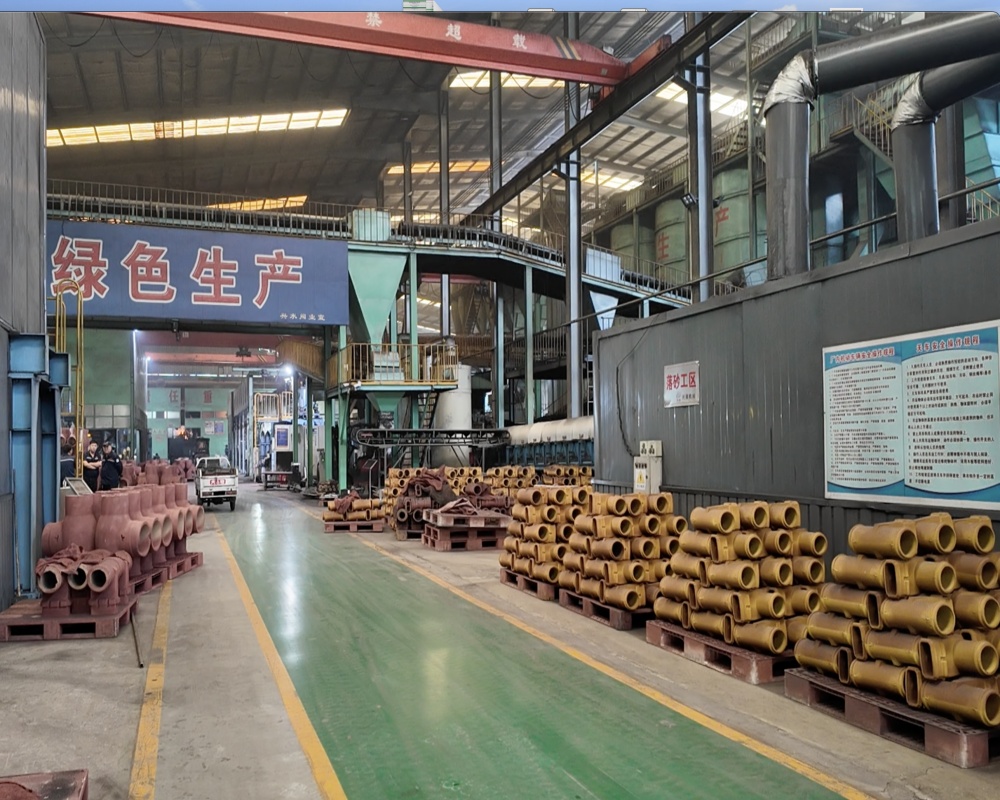 | 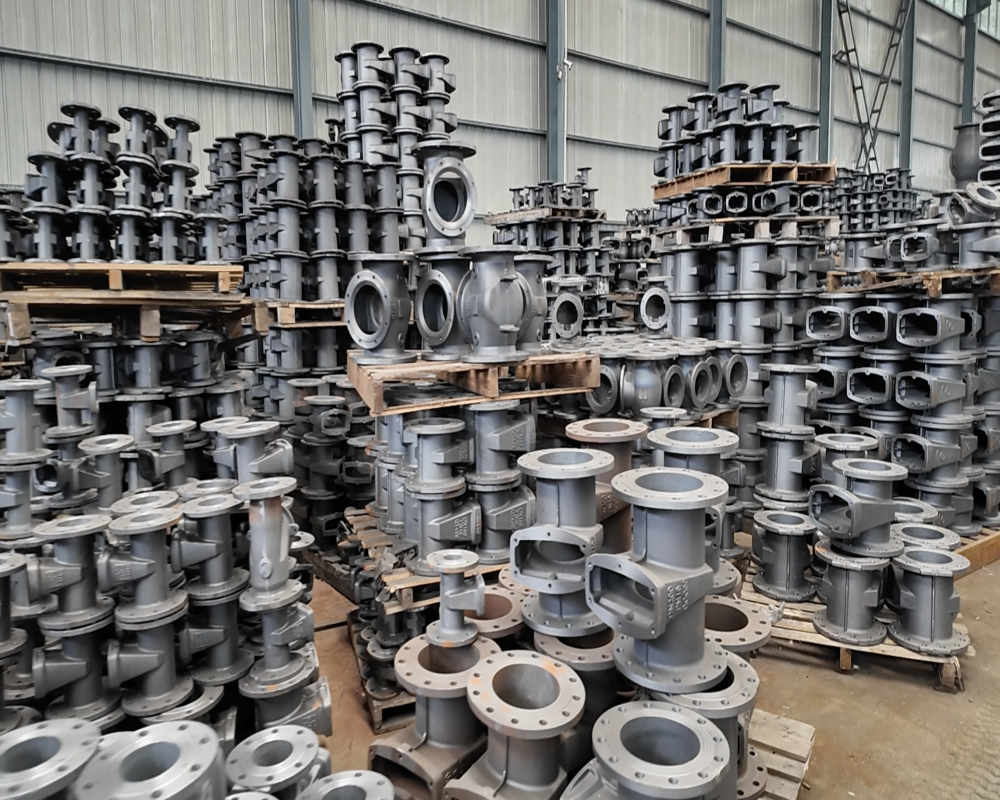 |  |
 | 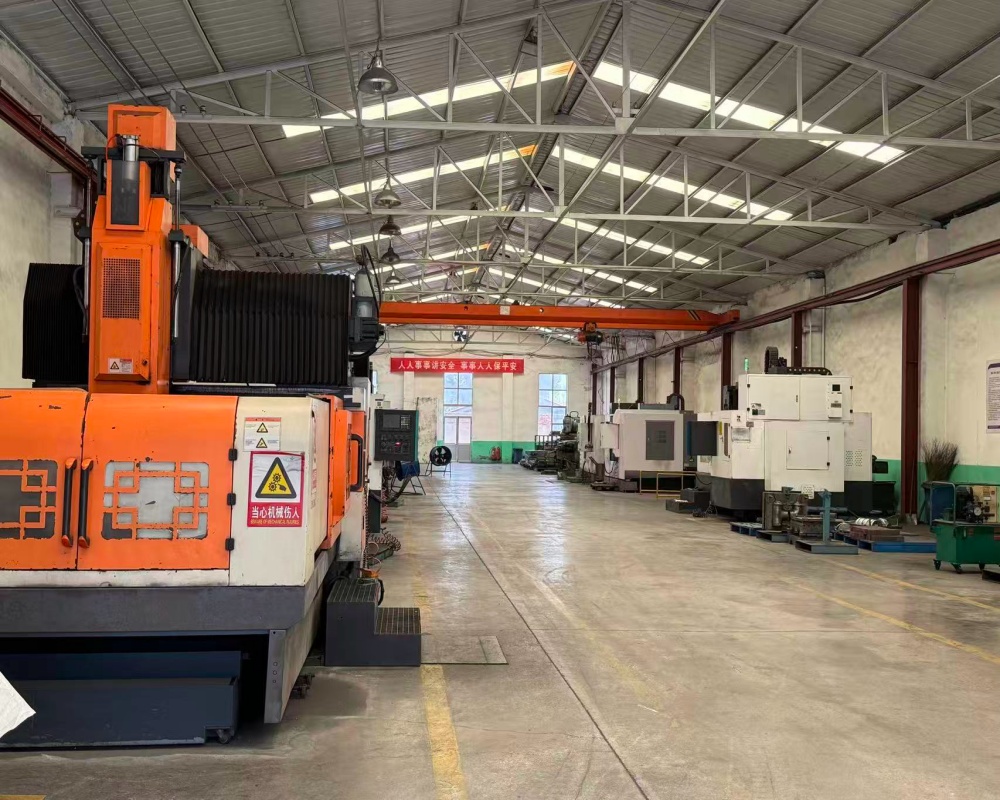 | 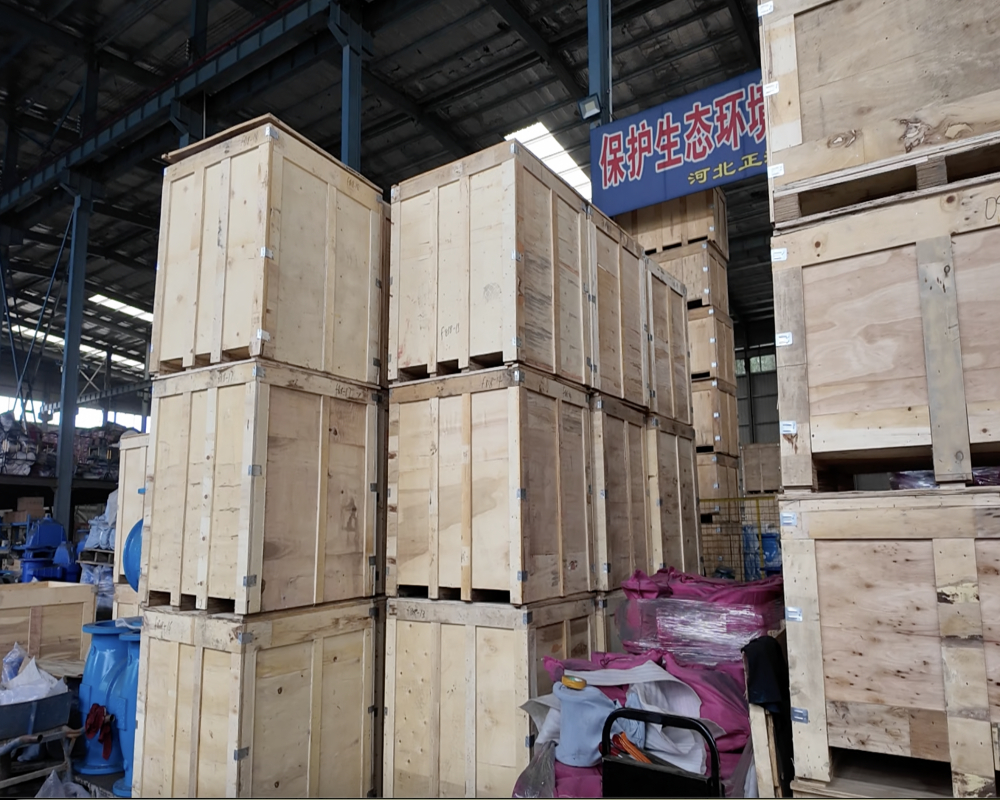 |
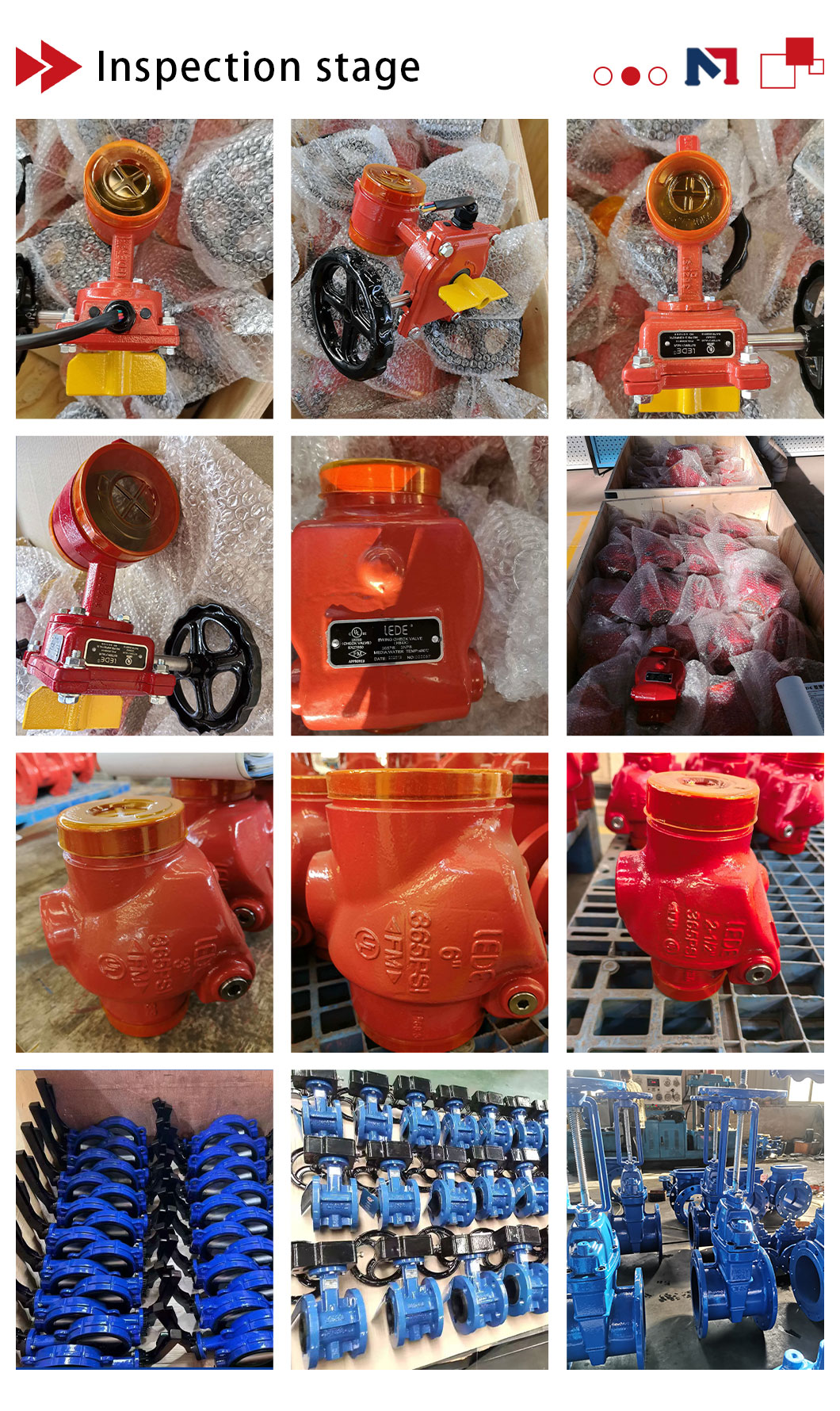
FAQ
Q1: What is the difference between a butterfly valve and a gate valve?
A1: Butterfly valves are faster to operate, lighter, and take less space. Gate valves provide full bore flow but are bulkier and slower to operate.
Q2: Can butterfly valves handle high pressure?
A2: Standard butterfly valves handle PN10–PN16. High-pressure or triple-offset designs are available for higher pressure applications.
Q3: What materials are available for the valve disc?
A3: Stainless steel, coated steel, or ductile iron, depending on fluid type and application.
Q4: Can this valve be automated?
A4: Yes, butterfly valves can be equipped with electric or pneumatic actuators for remote operation.
Q5: How to choose the seat material?
A5:
EPDM for water and sewage
NBR for oils and hydrocarbons
PTFE for chemicals and high-temperature fluids


