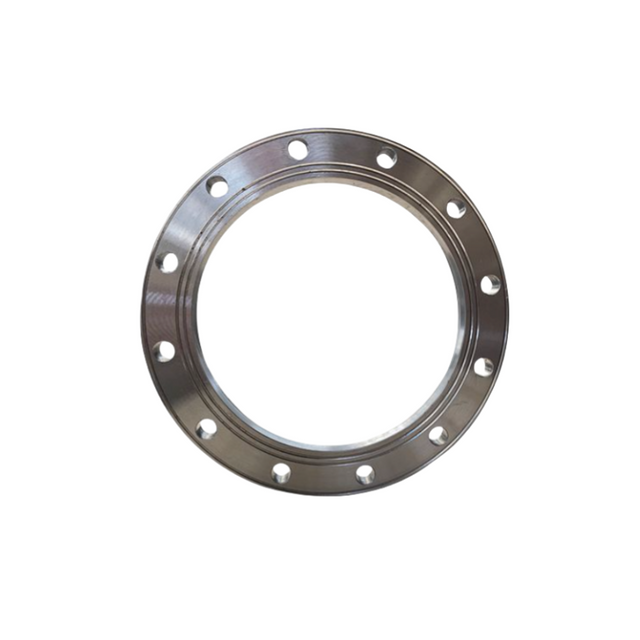
close
Choose Your Site
Global
Social Media
Views: 0 Author: Site Editor Publish Time: 2026-02-04 Origin: Site


Understanding flange types is crucial for piping systems.
Features | Blind Flange | Regular Flange |
|---|---|---|
Functionality | Closes pipe ends, stops flow. | Joins pipes, allows flow. |
Design | Solid disk with no hole. | Variety of designs for connections. |
Applications | Used for isolation and pressure testing. | Used for connecting pipes and equipment. |
Pressure Ratings | Handles high pressure effectively. | Varies by type, generally lower. |
Installation | Requires careful sealing, less access. | Easier access for maintenance. |
Cost | Generally more expensive. | Typically more cost-effective. |
Material Options | Commonly carbon and stainless steel. | Wide range including various metals. |
Maintenance | Difficult to access for repairs. | Easier to disassemble and maintain. |
Leak Prevention | Provides a tight seal. | May require gaskets for sealing. |
Flexibility | Less flexible, fixed position. | More flexible for system changes. |
You must pick the correct flange for your pipes. A blind flange closes the end of a pipe and stops flow. A regular flange joins pipes and lets flow continue. This choice changes how safe your system is and how much maintenance costs. Blind flanges stop leaks, mostly in high-pressure spots, and make shutdowns simpler for repairs. Knowing which flange you need keeps things safe and saves money over time.
A blind flange blocks the end of a pipe. It stops everything from moving through.
Regular flanges join pipes together. They let things flow through the pipes.
Blind flanges work well in high-pressure systems. They help stop leaks and make fixing things easier.
Pick the right flange material for your system. Use carbon steel for strong pipes. Use stainless steel to stop rust.
Regular flanges have different types for different jobs. Weld neck flanges are good for high pressure. Slip-on flanges are easy to put on.
Always look at pressure ratings before you choose flanges. Check standards like ASME B16.5 to keep things safe and working right.
Regular flanges help you add more pipes or fix things. Blind flanges seal off parts for testing or to keep them separate.
Putting flanges on the right way is important. Check and fix them often to stop leaks and keep things working well.
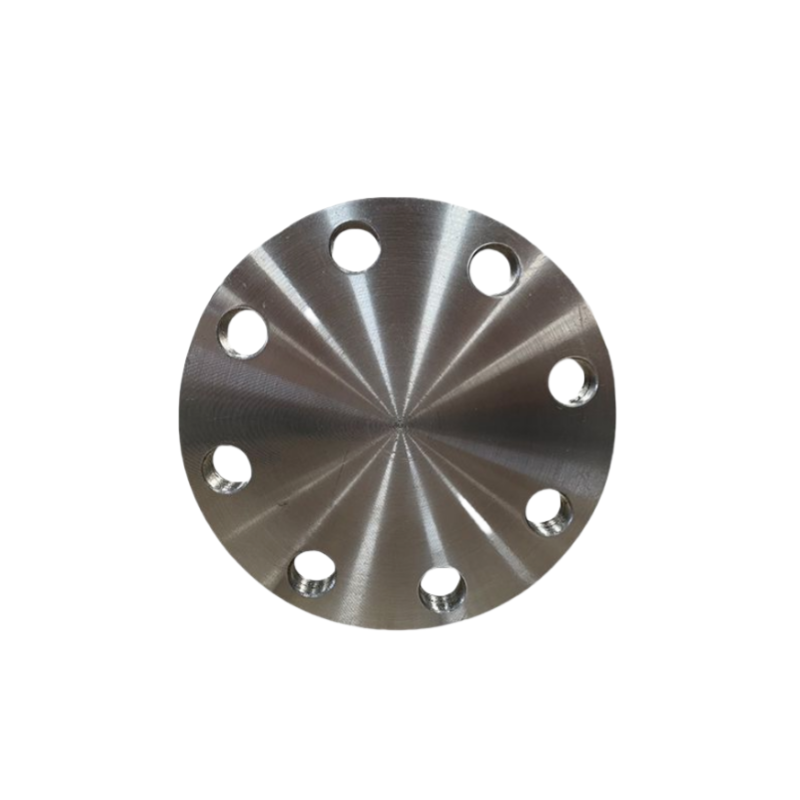
A blind flange is a solid disk. It closes the end of a pipe. It does not have a hole in the center. This means it blocks flow completely. The design gives a tight seal. It works well in high-pressure systems. Blind flanges are made from strong materials. Carbon steel is the most common type. It is tough and lasts a long time. You also see stainless steel and alloy steel. Nickel alloys and plastic-based flanges are used for special jobs.
Here is a table that compares materials and their features:
Material | Properties |
|---|---|
Stainless Steel | Strong and does not rust easily |
Carbon Steel | Very strong |
Alloy Steel | Very strong |
Nickel Alloys | Good for very tough jobs |
Plastic-based | Used for special needs |
Pick carbon steel if you need strength and dependability. Stainless steel is best if you want to stop rust. Nickel alloys work for very hot or chemical places. Plastic-based flanges are good for low-pressure or non-metal pipes.
You need to check pressure ratings before you pick a blind flange. The ASME B16.5 standard gives the rules for size and fit. Blind flanges have pressure classes. These show how much pressure they can take. Common classes are 150#, 300#, 600#, 900#, 1500#, and 2500#. Each class fits a certain pipe size.
Pressure Class | Size Range |
|---|---|
150# | Up to 10" pipes |
300# | Up to 10" pipes |
600# | Up to 10" pipes |
900# | Up to 10" pipes |
1500# | Up to 10" pipes |
2500# | 12" to 24" pipes |
A carbon steel blind flange in a high class can handle lots of pressure and heat. Its solid shape helps it work better than regular flanges. Regular flanges may have weak spots. Blind flanges seal tightly and protect your system.
Blind flanges are used in many fields. They seal pipes and block unused ends. You can take off the blind flange later. This makes repairs and changes easier.
Here are some ways blind flanges are used:
Isolation and Shutdown: You can close part of a system for repairs.
Pressure Testing: You seal pipes to test pressure.
Contamination Prevention: You block pipes to keep things clean.
Equipment Protection: You cover open ends to keep out dirt.
Blind flanges are important in oil and gas, chemical plants, water treatment, and power plants. For example, a carbon steel blind flange can close a high-pressure pipe in an oil refinery. It can also seal a filter system in a water plant.
Industry | Application Description |
|---|---|
Oil and Gas | Used to close high-pressure pipes for tests or repairs. Keeps the system safe. |
Chemical Processing | Makes a safe wall for dangerous chemicals. Stops leaks and keeps things clean. |
Water Treatment | Seals pipes in filters or during upgrades. Helps the system work well. |
Power Generation | Used in boilers and pressure tanks. Closes openings and handles high heat. |
Pick a blind flange if you want a tight seal, easy access later, and strong protection for your pipes.
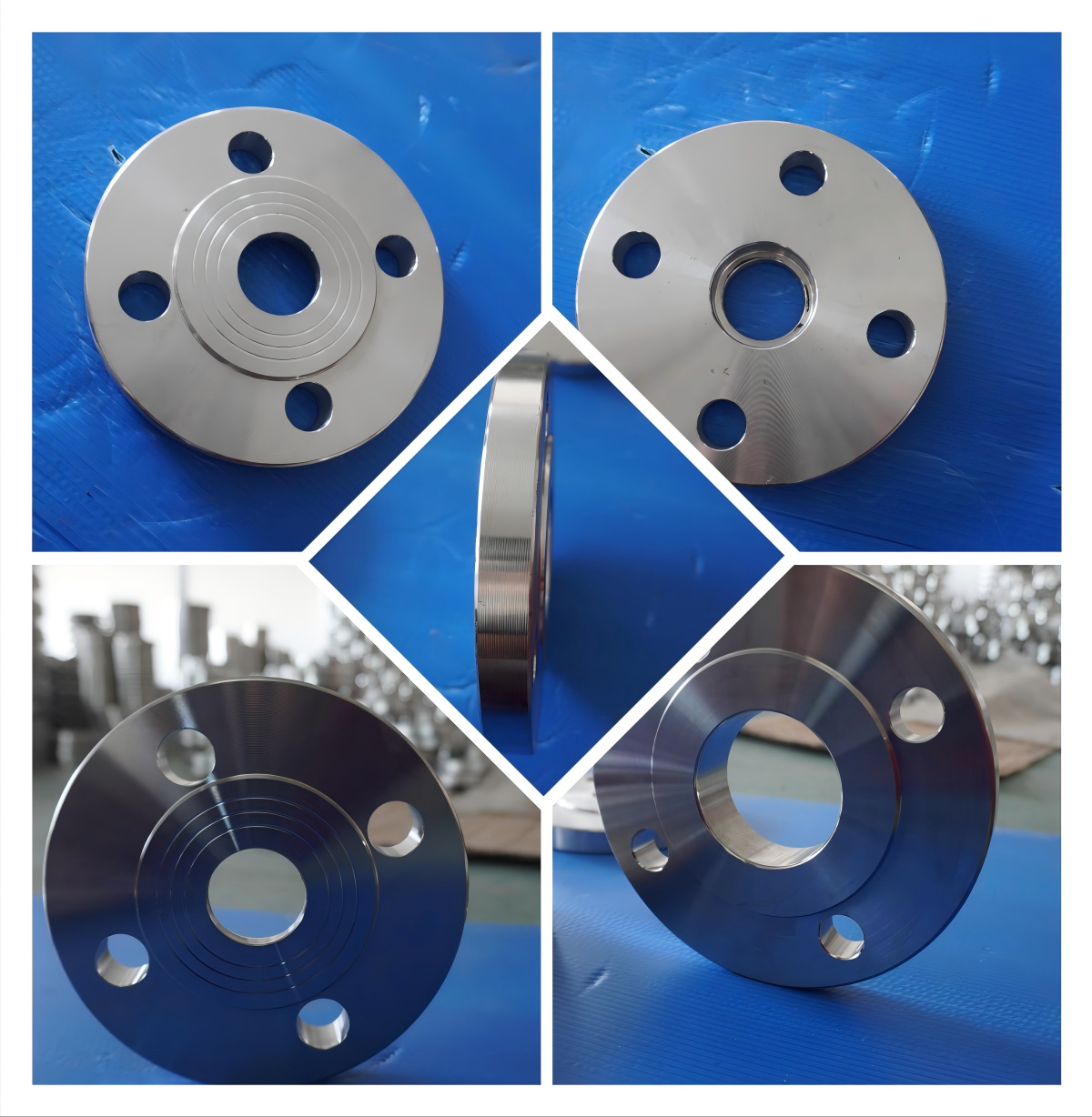
When you work with pipes, you need to connect them. Regular flanges help you join pipes, valves, or equipment. They are strong and flexible for many jobs. Regular flanges let things flow through the pipe. Blind flanges do not. There are different types of regular flanges. Each one has its own shape and best use.
There are five main types of regular flanges. Each type looks different and does a special job. Here is a table that shows how they are used:
Flange Type | Description | Applications |
|---|---|---|
Weld Neck | Has a long, tapered hub for welding. Handles high pressure and temperature. | High-pressure, high-temperature systems |
Slip-On | Slides onto the pipe end and is welded. Simple to install. | Low-pressure, high-temperature piping |
Socket Weld | Pipe fits into a socket in the flange. Offers strong joints for small pipes. | Small-size, high-pressure piping |
Threaded | Screws onto pipes with threaded ends. No welding needed. | Low-pressure utility services, tight spaces |
Lap Joint | Used with a stub end. Allows easy alignment and frequent maintenance. | Systems needing regular maintenance |
Pick a weld neck flange for a strong, leak-proof joint. The long hub helps spread out stress. It works well in places with high pressure and heat. You see these in oil and gas pipes or power plants.
Slip-on flanges are easy to put on. You slide them over the pipe and weld them. They are good for low-pressure jobs, like water pipes or air systems. Use them when you want to save time and money.
Socket weld flanges fit small pipes. You put the pipe in the socket and weld it. This makes a strong joint for high pressure. You find these in chemical plants and small pipes.
Threaded flanges screw onto pipes with threads. You do not need to weld them. They are good for low-pressure jobs, like water or air lines. Use them where welding is hard or not safe.
Lap joint flanges go with stub ends. You can turn the flange to line it up. They are great for systems that need lots of cleaning or repairs. You see them in food or chemical plants.
You need to think about the facing type when you pick a flange. The facing helps the flange seal better. Raised face flanges have a small bump for the gasket. This helps the seal by pressing on the gasket. Flat face flanges are smooth. They touch the gasket all over and are good for low pressure. Picking the right facing stops leaks and keeps your system safe.
Regular flanges come in different pressure classes. These show how much pressure they can take. Common classes are 150, 300, and 600. Bigger numbers mean the flange is stronger. Match the class to what your system needs. Both regular and blind flanges use these ratings. Regular flanges give you more ways to connect and let things flow.
You see regular flanges in many places. They join pipes and equipment where you need strong, leak-free joints. Here is a table that shows where you use them:
Industry Sector | Common Applications | Benefits |
|---|---|---|
Oil and Gas | Pipeline systems, refineries, offshore platforms | Handles high pressure and temperature |
Chemical Processing | Chemical reactors, piping systems, storage tanks | Resists corrosion, prevents leaks |
Power Generation | Boiler systems, turbine systems, cooling systems | Reliable at high temperatures |
Water and Wastewater Treatment | Water distribution, wastewater plants, pumping stations | Versatile, leak-free connections |
Food and Beverage | Processing equipment, packaging, storage systems | Hygienic, durable |
You use weld neck flanges in oil and gas pipes for strong joints. Slip-on flanges are good for water plants and easy fixes. Lap joint flanges help you clean chemical reactors often. Threaded flanges fit in small spaces for utility jobs. Socket weld flanges make strong joints in small, high-pressure pipes.
Tip: Always match the flange type, facing, and pressure class to your system. This keeps things safe and helps your system last longer.
Regular flanges give you many ways to connect and fix your pipes. You can pick the right flange for your job. This makes your system safer and easier to take care of.
If you pick a blind flange, you get many good things for your pipes. You can close off parts for fixing or testing pressure. This helps keep your system safe, especially when pressure is high. You also stop dirt from getting in and protect your equipment. The blind flange is a strong wall. It stops leaks and works in tough places. Many jobs use this flange for very high pressure, even over 10,000 PSI.
Advantages of blind flange:
You can close and test parts of your system easily.
You keep dirt out and protect your equipment.
You stop leaks in high-pressure pipes, acting as a strong shield.
You use it in hard jobs, like oil and gas, where you need it to work well.
But there are some problems with blind flanges. It can be hard to fix things because you cannot reach the pipe after you put it in. If you do not tighten the bolts right, leaks can happen. This means the pipe is not closed off well. You might spend more money on putting it in and fixing it. Space can be tight, especially in busy places, so you must plan ahead.
Disadvantage | Description |
|---|---|
Limited Accessibility | It can be hard to reach the pipe after you install the flange, which makes fixing slower. |
Potential for Leakage | If bolts are not tight, leaks can happen and the pipe is not closed off well. |
Cost | You may pay more for putting it in and fixing it later. |
Space Limitations | You need to make sure there is enough room, especially in crowded spots. |
Regular flange types give you more ways to use your pipes. You can stop shaking from pumps and machines, which helps your pipes last longer. These flanges let pipes move and line up better, so you can handle heat changes or small mistakes when putting them in. You also get less noise and less stress on your pipes, which makes your system work better.
Contribution Type | Description |
|---|---|
Vibration Isolation | You keep your pipes safe from shaking, so they do not wear out fast. |
Movement & Misalignment | You let pipes move and line up better, which makes putting them in easier. |
Noise & Stress Reduction | You make your system quieter and less stressed, so it works better. |
There are also some problems with regular flanges. Putting in hydraulic flanges needs workers who know what they are doing, so it can be hard. If you do not line up the flange right, leaks can happen. You need special tools, like torque wrenches, which takes more time and work. Even if you seal it well, leaks can still happen if you put it in wrong, if it wears out, or if the gasket breaks down.
Potential drawbacks of regular flange:
You need skilled workers and special tools to put it in.
If you do not line it up right, leaks can happen.
Gaskets can wear out in tough places, which causes leaks.
Tip: Always check the sealing parts and use the right way to put in the flange. This helps stop leaks and makes your system work better.
When you look at both types, blind flange gives you strong protection and keeps things closed off. Regular flange lets you change and grow your system more easily. Pick the one that fits your system’s safety, fixing, and future needs.
You use a blind flange to seal pipe ends for repairs. It blocks fluids or gases from moving. You bolt it on tightly to stop leaks. This keeps workers and equipment safe during shutdowns. The blind flange separates parts of the system. It helps keep dangerous stuff inside.
Safety rules are very important here. You need an emergency plan. You must have water and air masks ready. Be ready to leave fast if there is a leak. Workers wear special clothes and gas masks. You use tools that do not make sparks. Before you take off a blind flange, close the upstream valve. Let out pressure through a vent valve. Check with a gauge to make sure there is no pressure. For flammable stuff, fill the pipe with nitrogen. Check oxygen levels before you start. You need work permits and approvals for every step. This makes sure you follow all safety rules.
Regular flanges help you connect pipes and equipment. They make strong joints that do not leak. You can change direction or add new parts easily. You can take apart and put together sections fast. This saves time when you fix or upgrade things.
When you want to grow your system, you look at many things:
Key Factors | Description |
|---|---|
Pressure, Temperature, and Service Conditions | Pick flanges for the right pressure, fluid, and standards. |
Standards and Project Specifications | Follow world standards and match materials. |
Flange Type Selection | Use Weld Neck for high pressure or Slip-On to save money. |
Manufacturing Quality | Check forging, machining, and material tracking. |
Non-Standard Requirements | Work with makers for special sizes and quick delivery. |
Use carbon steel flanges for most jobs. Pick stainless steel if you need to stop rust. Alloy flanges work in tough places. Chrome-moly alloys are best for hot systems. You can change your system as you need.
Blind flanges and regular flanges are used in oil, gas, chemicals, and power plants. In oil refineries, blind flanges seal pipes with crude oil or gas. This stops leaks and keeps things safe. Regular flanges join pipes, tanks, and other equipment. They help seal pipelines with high pressure and heat.
In chemical plants, you install and fix flanges in different ways. Blind flanges are easy to put in because they have fewer parts. You check for damage and gasket wear with simple checks. Regular flanges need more work to put together and fix. You must check joints and change gaskets often.
Tip: Pick the flange type that fits your system. Blind flanges give you a tight seal. Regular flanges let you grow and fix your system easily.
You must follow steps to install a blind flange. This helps you get a tight seal and stop leaks. First, get the work area ready. Make sure the pipe has no pressure and is clean. Look at the flange and gasket for damage. Put the gasket on the pipe end. Line up the blind flange with the bolt holes. Put in the bolts and tighten the nuts by hand. Use a torque wrench to tighten bolts in a crisscross way. This spreads the pressure and keeps the gasket safe. Check that everything lines up and is tight. Make sure the seal is good before you add pressure back.
Common challenges during blind flange installation:
Challenge | Description | Solution |
|---|---|---|
Corrosion | Makes the flange weak and can cause leaks. | Clean and check often; use coatings to protect. |
Gasket Deterioration | Can cause leaks after some time. | Pick strong gaskets; change them when needed. |
Bolt Loosening | Bolts can get loose from shaking or heat. | Check bolts often; use washers that stop shaking. |
Tip: Always pick the right size and rating for your blind flange. Do not tighten bolts too much or you might hurt the gasket.
To put in a regular flange, pick the right size and type. Use bolts and gaskets that match your system. Put grease on bolts and gaskets to stop rust. Put the gasket between the flanges and line up the holes. Put in the bolts and tighten them by hand. Use a torque wrench to tighten bolts to the right setting. Tighten bolts in a star shape to spread pressure. Pick gaskets that fit your job and check they are tight enough. Look at the flange and gasket for damage before you start. Change any old parts to keep leaks away.
Best practices for regular flange installation:
Pick the right flange type and material.
Grease bolts and gaskets.
Use the best gasket for your job.
Tighten bolts to the right strength.
Check and change broken parts.
You need to check and take care of both blind and regular flanges. Look for rust, worn gaskets, and loose bolts. Clean the flange before you put it back. Change old gaskets and bolts fast. How often you check depends on your system’s pressure and what flows inside.
Frequency Category | Inspection Interval | Description |
|---|---|---|
High Frequency | Every 1-6 months | For dangerous, flammable, or high-pressure systems. |
Medium Frequency | Every 6-12 months | For water, air, or normal jobs. |
Low Frequency | 12-24 months | For safe, low-pressure, or cool systems. |
Note: Checking flanges often helps you find problems early. This stops leaks and keeps your system working. Always follow your site’s maintenance plan.
You keep your system working well by doing these steps. Both blind and regular flanges need care. Each type has its own problems and fixes.
Picking the right flange keeps your system safe and saves money. You need to look at your choices closely. Each flange type does a different job. Your choice changes how your system works under pressure and during repairs.
Use a blind flange if you want to close the end of a pipe. This flange stops flow and makes a strong seal. You see it when you need to block off a section for fixing, testing, or adding more pipes later. It helps stop leaks and keeps dirt out.
You should pick a blind flange if:
You must close a section for repairs or checks.
You want to test pressure without letting anything flow.
You plan to add more pipes later and need a seal for now.
You want to keep dirt or water away from your equipment.
A blind flange is easy to take off when you need to reach the pipe again. This makes it good for systems that need checks or upgrades often.
Tip: Always match the pressure rating and material of the blind flange to your system’s needs. This keeps your operation safe and efficient.
Use a regular flange if you need to connect pipes or equipment and let things flow. There are many types, like weld neck, slip-on, socket weld, threaded, and lap joint. Each one is best for a certain job.
Pick a regular flange if:
You need to join two pipes together.
You want to connect things like pumps or valves.
You plan to take the system apart for cleaning or repairs.
You need to handle shaking, movement, or pipes that do not line up.
Regular flanges help you build, fix, or grow your piping system. You can pick the type that fits your pressure, heat, and alignment needs. Weld neck flanges are best for high pressure. Slip-on flanges are quick for low pressure jobs.
Note: Always follow industry standards like ASME B16.5 when selecting a regular flange. This ensures compatibility and safety.
You need to think about some important things before you pick a blind flange or a regular flange. These things help you match the flange to your system and follow the rules.
Pressure and Temperature Ratings
Check the highest pressure and heat your system will have. Pick a flange that can handle these numbers or more.
Material Compatibility
Choose a flange made from the same material as your pipe and the fluid inside. This stops rust and helps your system last longer.
Pipe Size and Design
Make sure the flange fits your pipe size and matches your system’s design. This gives you a tight, leak-free fit.
End Connection Type
Decide if you need a welded, threaded, or socket connection. Each one has its own way to install and its own strengths.
Corrosion Resistance and Environmental Factors
Think about where you will put the flange. If your system faces harsh chemicals or bad weather, pick a material that does not rust.
Standards and Certifications
Always use flanges that meet known standards like ASME B16.5. This means you get good quality and performance.
Safety and performance depend on your choices. Balancing these factors helps you avoid leaks, system failures, and costly repairs.
You should also think about:
If you will need to add more pipes or do repairs later.
What kind of fluid or gas is in your system.
How easy it is to put in or take out the flange.
Factor | Blind Flange Use Case | Regular Flange Use Case |
|---|---|---|
Isolation | Yes | No |
Flow Connection | No | Yes |
Pressure Testing | Yes | Sometimes |
System Expansion | Yes (easy removal) | Yes (with disassembly) |
Frequent Maintenance | Yes (quick access) | Yes (varies by type) |
By looking at these things, you can pick the best flange for your job. Always ask experts and follow the rules to get the best results.
Blind flanges close the end of a pipe.
They stop anything from moving through the pipe.
Regular flanges join pipes together.
They let things keep moving inside the pipes.
Pick the right flange for your system to stay safe.
This also helps your system work well.
Always look at pressure ratings before you choose.
Check what the flange is made of and the standards too.
For the best results, ask a piping expert for help. Look at ASME B16.5 standards before you decide. Picking carefully stops leaks and saves money on repairs.
A blind flange closes the end of a pipe. It stops anything from moving through. A regular flange connects pipes together. It lets things keep flowing inside the pipes.
You can take off a blind flange later. This helps you make your piping system bigger or check the pipe. Regular flanges stay on to keep pipes joined.
Blind flanges are best for blocking high-pressure parts. They make a strong seal. Regular flanges connect pipes under pressure, but blind flanges block flow better.
Both types use carbon steel, stainless steel, and alloy steel. You pick the material that fits your system. Both follow rules like ASME B16.5.
You put a blind flange on to close a pipe end. You use a regular flange to join two pipes. Both need bolts tightened and lined up right, but blind flanges seal off the pipe.
Pick a regular flange when you want to join pipes, valves, or equipment. Use it for systems that need flow and easy fixing.
Blind flanges cost more because they are solid and seal tightly. Regular flanges are usually cheaper for normal pipe jobs.
Tip: Always choose the flange that matches your system’s pressure, flow, and how often you fix it.